All Posts By

[email protected]

Spot the Signs — Know the Symptoms of Skin Cancer

Skin cancer is the most common form of cancer in the United States, and when detected early, it’s also one of the most treatable. That’s why knowing the warning signs and regularly checking your skin is so important.

Common Symptoms to Watch For:

  • A new growth or sore that doesn’t heal
  • A mole or spot that changes in size, shape, or color
  • A rough or scaly patch that may itch or bleed
  • A shiny bump or nodule, often pearly or translucent
  • A flat, flesh-colored, or brown scar-like lesion

The ABCDEs of Melanoma can help you remember the warning signs:

  • Asymmetry: One half doesn’t match the other
  • Border: Irregular, scalloped, or poorly defined edges
  • Color: Varied shades of brown, black, or other colors
  • Diameter: Larger than 6mm (about the size of a pencil eraser)
  • Evolving: Changing in appearance over time

If you notice any of these signs, schedule a skin exam with your provider. Early detection saves lives.

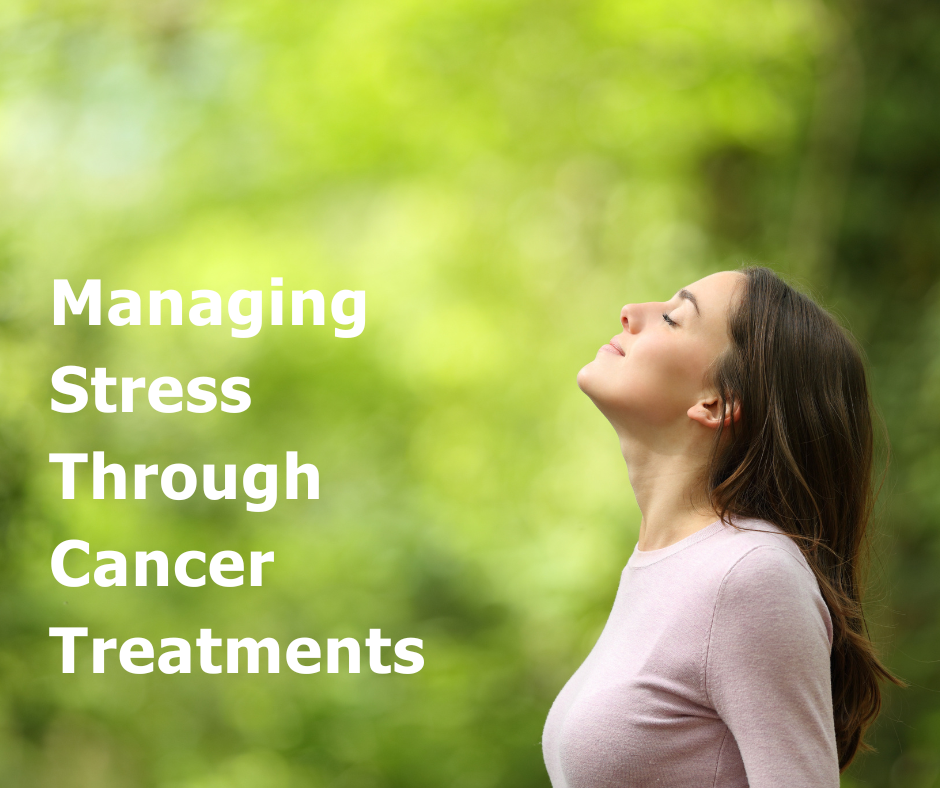
Managing Stress Through Cancer Treatment

A cancer diagnosis brings more than just physical challenges—it also affects emotional and mental health. It’s completely normal to feel overwhelmed, anxious, or even scared. But managing stress throughout treatment can help improve your overall well-being and support healing.

Here are a few ways to manage stress during cancer care:

  1. Talk About It
    Whether with a trusted friend, family member, counselor, or support group, talking about your emotions can reduce anxiety and help you feel less alone.
  2. Practice Mindfulness and Relaxation
    Simple breathing exercises, meditation, and guided imagery can calm the mind and body. Even 5–10 minutes a day can make a difference.
  3. Stay as Active as You’re Able
    Gentle movement—like walking, stretching, or chair yoga—can help boost mood, reduce fatigue, and improve sleep.
  4. Get Enough Rest
    Rest is healing. Prioritize sleep and don’t hesitate to take naps or slow down when your body needs it.
  5. Ask Questions and Stay Informed
    Feeling uncertain can add stress. Talk to your care team, ask questions, and understand your treatment plan—it helps you feel more in control.
  6. Accept Help
    Let friends or family run errands, prepare meals, or drive you to appointments. Saying “yes” to support can ease the emotional and physical load.

Remember: You don’t have to go through this alone. Your care team is here to support not only your medical needs, but your emotional health too. Managing stress is part of the healing process.

Alcohol Awareness and Cancer Prevention

April is Alcohol Awareness Month—an important time to understand how alcohol consumption affects cancer risk. Regular alcohol use is linked to an increased risk of cancers, including breast, liver, mouth, throat, and esophagus.

How Alcohol Increases Cancer Risk:

  • Damages cell DNA
  • Affects hormone levels (especially estrogen)
  • Increases absorption of other harmful substances

Tips for Prevention:

  • Limit or avoid alcohol
  • Focus on a balanced diet and regular exercise
  • Talk to your provider about your personal risk factors

Making Healthy Choices: Even small lifestyle changes can lead to major long-term benefits. Reducing or quitting alcohol is one proactive step toward lowering your cancer risk.

Testicular Cancer: Know the Signs, Catch It Early


Testicular cancer is the most common cancer in men between the ages of 15 and 35. While rare overall, it is highly treatable, especially when caught early.

Symptoms of Testicular Cancer:

  • Lump or swelling in the testicle
  • A feeling of heaviness in the scrotum
  • Dull ache in the groin or lower abdomen

Self-Exams Matter: Men are encouraged to perform monthly testicular self-exams to notice any changes early. Don’t wait to talk to your doctor if something doesn’t feel right.

Treatment Options: Treatment may include surgery, radiation, or chemotherapy. The prognosis is generally excellent, especially when caught early.

Head and Neck Cancer: Awareness, Symptoms, and Treatment

April is Head and Neck Cancer Awareness Month—a time to highlight cancers that affect the mouth, throat, voice box, nasal cavity, and sinuses. Though these cancers are less common than others, they can have a significant impact on daily life and long-term health.

Head and Neck Cancer Risk Factors Most head and neck cancers are linked to tobacco use, heavy alcohol consumption, and human papillomavirus (HPV) infection. Understanding these risk factors can help individuals take steps toward prevention.

Symptoms to Watch For:

  • Persistent sore throat or hoarseness
  • A lump or sore that doesn’t heal
  • Difficulty swallowing
  • Ear pain or ringing
  • Swelling in the jaw or neck

Treatment Options: Treatment depends on the cancer’s location and stage, but common approaches include surgery, radiation therapy, chemotherapy, targeted therapies, or a combination. Early detection improves outcomes, so talk to your provider if symptoms persist.

Colon Cancer Awareness: Why Early Detection Matters

March is Colorectal Cancer Awareness Month, a time to highlight the importance of screening, prevention, and early detection. Colon cancer is the second leading cause of cancer-related deaths, yet it is also one of the most preventable cancers.

Who Should Get Screened?

The American Cancer Society recommends that adults at average risk begin regular colon cancer screenings at age 45. However, you may need earlier or more frequent screening if you have:

  • A family history of colorectal cancer or polyps
  • A personal history of inflammatory bowel disease (IBD), Crohn’s disease, or ulcerative colitis
  • Genetic syndromes like Lynch syndrome or familial adenomatous polyposis (FAP)
  • Lifestyle risk factors, such as smoking, obesity, or a diet high in processed foods

Screening Options for Colon Cancer

There are several ways to detect colon cancer early:

  • Colonoscopy – The gold standard for detecting and removing precancerous polyps.
  • Stool Tests – Non-invasive tests that check for blood or abnormal DNA in the stool.
  • CT Colonography (Virtual Colonoscopy) – A less invasive option using imaging technology.

How You Can Reduce Your Risk

Colon cancer risk can be lowered with healthy lifestyle habits, including:

Eating a High-Fiber Diet – Whole grains, vegetables, and fruits support gut health.
Staying Active – Regular exercise can help reduce your risk.
Avoiding Tobacco & Excessive Alcohol – Smoking and drinking increase cancer risk.
Getting Screened – Early detection saves lives!

Take Action Today

If you’re due for a screening, don’t wait. Early detection can prevent colon cancer or catch it at an early, treatable stage.


Recognizing the Symptoms of Colon Cancer: What You Need to Know


Colonrectal cancer is one of the most common cancers, but when detected early, it is highly treatable. Understanding the warning signs can help you take action before the disease progresses. We encourage everyone to be aware of these symptoms and prioritize regular screenings.

Common Symptoms of Colorectal Cancer

Colorectal cancer often develops without noticeable symptoms in its early stages, which is why screening is crucial. However, as the disease progresses, signs may include:

  • Changes in Bowel Habits – Persistent diarrhea, constipation, or narrow stools that last more than a few days.
  • Blood in the Stool – Bright red or dark stools may indicate bleeding in the colon.
  • Unexplained Weight Loss – Losing weight without trying could be a sign of an underlying issue.
  • Abdominal Pain or Cramping – Discomfort, bloating, or a feeling of fullness may be symptoms of colon cancer.
  • Fatigue or Weakness – Ongoing fatigue can be a sign of anemia caused by internal bleeding.
  • Feeling Like You Still Need to Go – A persistent feeling that your bowel isn’t empty after using the restroom.

When to See a Doctor

If you experience any of these symptoms for more than a few weeks, don’t ignore them. While these signs can be caused by other conditions, it’s important to speak with your doctor to rule out colon cancer.

Schedule a screening today—because knowing your risk could save your life.

Colorectal Cancer Awareness: Know the Facts, Reduce Your Risk


Colorectal cancer is one of the most common cancers, yet it is also one of the most preventable and treatable when detected early. March is Colorectal Cancer Awareness Month, a time to raise awareness, encourage screenings, and promote healthy habits that can lower your risk.

Understanding Colorectal Cancer

Colorectal cancer begins in the colon or rectum and often starts as small polyps that can become cancerous over time. While anyone can develop colorectal cancer, risk factors such as age, family history, diet, and lifestyle choices can increase the likelihood of developing the disease.

Why Screening Matters

Early detection saves lives. Screening tests, such as colonoscopies, can identify precancerous polyps before they turn into cancer. The American Cancer Society recommends that individuals at average risk begin screening at age 45, while those with a family history or other risk factors may need to start even earlier.

Reduce Your Risk

While some risk factors are beyond your control, making healthy lifestyle choices can significantly lower your risk of colorectal cancer:
– Eat a fiber-rich diet with plenty of fruits, vegetables, and whole grains
– Maintain a healthy weight and stay physically active
– Limit red and processed meats
– Avoid smoking and excessive alcohol consumption

Spreading Awareness & Supporting Patients

This March, take the time to learn about colorectal cancer, encourage loved ones to get screened, and support those facing the disease. Whether by scheduling your own screening or sharing awareness messages, small actions can make a big difference.

If you or a loved one have questions about colorectal cancer prevention, screening, or treatment, our oncology specialists are here to help.


Coping with a Cancer Diagnosis

A cancer diagnosis can bring a wave of emotions—fear, anxiety, sadness, and even anger. While these feelings are normal, finding the right emotional support can make a significant difference in your journey.

1. Strong Support System
Having a trusted circle of family, friends, and caregivers can provide emotional and practical help. If you feel overwhelmed, lean on loved ones for support.

2. Join a Support Group
Connecting with others who understand your journey can be empowering. Many hospitals and cancer centers offer in-person or virtual support groups for patients and caregivers.

3. Consider Counseling or Therapy
A professional therapist specializing in cancer care can help you process emotions, reduce anxiety, and develop coping strategies.

4. Practice Self-Care
Taking care of your mind and body is essential.

– Mindfulness or meditation for stress relief
– Journaling to express emotions
– Gentle exercise to improve mood

No one should face cancer alone. Seeking emotional support can help you navigate this journey with strength and resilience.

The Link Between Heart Health and Cancer

February is American Heart Month, making it the perfect time to discuss the connection between heart disease and cancer. Many cancer treatments impact cardiovascular health, making it essential for patients and survivors to take steps to protect their hearts.

How Does Cancer Affect the Heart?

Some cancer treatments, including chemotherapy, radiation, and immunotherapy, can weaken the heart over time. This may increase the risk of:
– High blood pressure
– Heart failure
– Irregular heartbeats (arrhythmias)

Patients with pre-existing heart conditions may be more vulnerable to heart-related side effects from cancer treatments.

How to Protect Your Heart During Cancer Treatment

– Monitor Your Heart Health – Regular check-ups and heart screenings can help catch issues early.
– Eat a Heart-Healthy Diet – Choose foods that lower inflammation, such as berries, nuts, leafy greens, and lean proteins.
– Stay Active – Even light exercise, like walking, can benefit heart health.
– Manage Stress – Meditation, deep breathing, and support groups can help reduce stress on your heart.
– Communicate with Your Doctor – Let your oncologist and cardiologist work together to create a plan that protects both your heart and your cancer treatment plan.

Heart health and cancer care go hand in hand. Taking steps to protect your heart can improve overall well-being and enhance recovery.