All Posts By

[email protected]

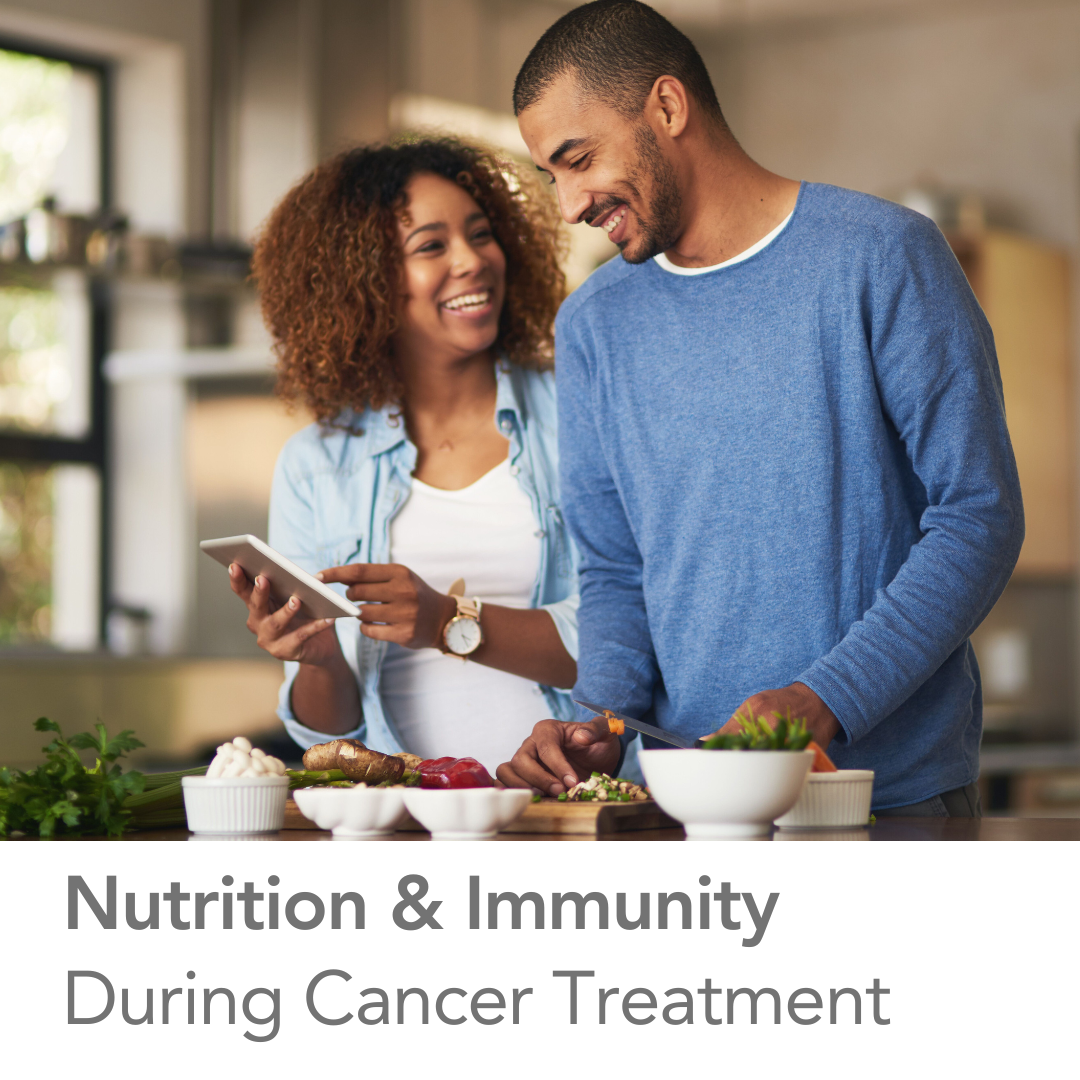
Nutrition & Immunity During Cancer Treatment

Nutrition plays a vital role in maintaining strength and supporting the immune system during cancer treatment. As we enter the colder months, it’s a perfect time to focus on foods that help your body stay resilient.

Immune-Boosting Foods

  • Citrus fruits for vitamin C
  • Leafy greens for antioxidants
  • Lean proteins to support healing
  • Greek yogurt for gut health
  • Nuts and seeds for healthy fats and minerals

Hydration Matters

Dry winter air, medications, and treatment can all increase dehydration risk. Drinking plenty of fluids—water, electrolyte beverages, herbal teas—helps your body manage treatment side effects and maintain energy.

When to Talk With a Nutritionist

If you’re experiencing appetite loss, weight changes, nausea, or difficulty eating, our oncology nutrition team can help design a personalized plan to keep you nourished and supported.

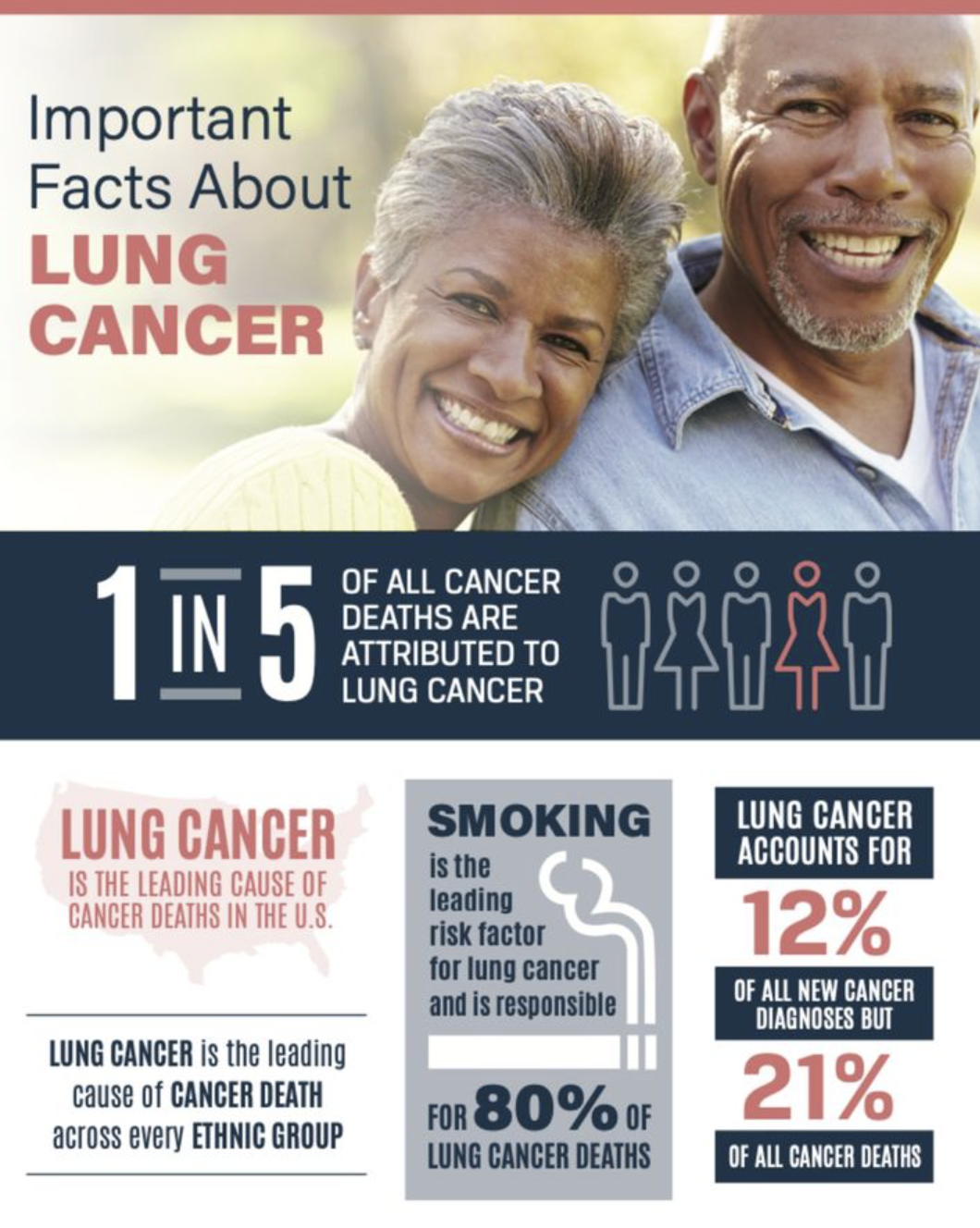
Lung Cancer Awareness: Understanding Symptoms & When to Get Checked

November marks National Lung Cancer Awareness Month, a time dedicated to increasing education, encouraging early detection, and supporting those affected by the disease.

Recognizing the Symptoms

Lung cancer can develop quietly, especially in its early stages. While symptoms can vary, some of the most common include:

  • Persistent cough that doesn’t improve
  • Chest pain or shortness of breath
  • Coughing up blood
  • Fatigue or unexplained weight loss
  • Recurrent lung infections

If you or a loved one experience these symptoms, it’s important to speak with a healthcare provider. Early detection saves lives.

Who Should Consider Screening?

Lung cancer screening with low-dose CT (LDCT) is recommended for adults who:

  • Are 50–80 years old
  • Have a 20-pack-year smoking history
  • Currently smoke or quit within the last 15 years

Screening can significantly improve outcomes by detecting cancer earlier, when treatment is most effective.

Our Commitment to Lung Health

Our specialists work together to ensure patients receive comprehensive, compassionate care every step of the way.

Follow-Up Care After Breast Cancer

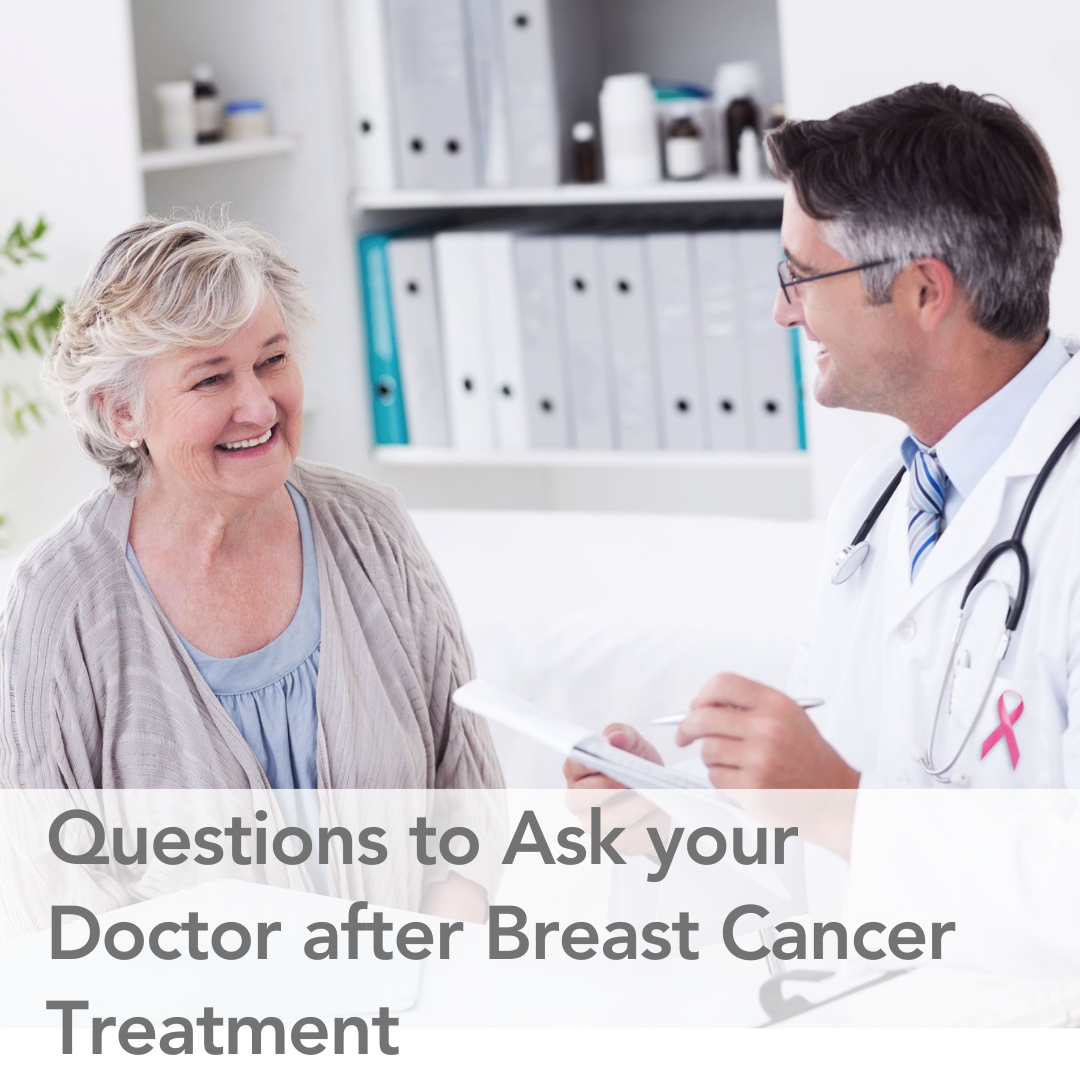
Follow-Up Care After Breast Cancer: What to Expect and Questions to Ask

Completing breast cancer treatment is a huge milestone, but your care doesn’t stop there. Follow-up care helps ensure your recovery stays on track, monitors for recurrence, and supports your overall health and well-being.

Questions to Ask Your Doctor

Bringing questions to your appointments can help you feel more confident and prepared:

  • How often should I schedule follow-up visits?
  • When should I have my next mammogram or imaging test?
  • What long-term side effects should I watch for?
  • Should I consider genetic counseling or additional screening?
  • What lifestyle changes can help reduce my risk of recurrence?
  • Who should I call if I notice new symptoms between visits?

Follow-up care is an important part of survivorship. It gives you and your care team the chance to stay ahead of potential issues and protect your health for years to come. Don’t be afraid to ask questions—your providers are there to support you every step of the way.

Staying Proactive During Breast Cancer Awareness Month

October is a reminder not just to wear pink, but to take meaningful steps toward protecting your health.

Proactive Health Habits

  • Schedule your annual mammogram if you’re due.
  • Perform regular breast self-exams and report changes promptly.
  • Maintain a healthy lifestyle with exercise, balanced diet, and limited alcohol.
  • Stay informed about your personal and family risk factors.

Community Support

Awareness month is also about supporting one another. Whether by sharing resources, attending community events, or simply reminding loved ones to schedule screenings—you can make a difference.

Awareness is only the beginning. By taking action, we honor survivors and support those in treatment.

Breast Cancer Treatment Options

A breast cancer diagnosis can feel overwhelming, but today’s treatment options are more effective and personalized than ever before. The right plan depends on the type, stage, and biology of the cancer, as well as a patient’s overall health and preferences.

Common Treatment Options

  • Surgery: Removal of the tumor through lumpectomy (breast-conserving) or mastectomy.
  • Radiation Therapy: Targets cancer cells in the breast, chest wall, or lymph nodes.
  • Chemotherapy: Drugs that kill or slow the growth of cancer cells.
  • Hormone Therapy: Blocks hormones that fuel certain breast cancers.
  • Targeted Therapy: Focuses on specific cancer cell changes, such as HER2-positive cancers.
  • Immunotherapy: Uses the body’s immune system to fight cancer.

Supportive care such as counseling, nutrition guidance, and survivorship programs are also vital to overall healing.

With many treatment options available, patients and providers work together to create personalized plans that offer hope, strength, and better outcomes.

Ovarian Cancer Awareness

Ovarian cancer is often called the “silent cancer” because its early symptoms can be mistaken for other conditions. Understanding risk factors and warning signs is crucial.

Risk Factors

  • Age: Most cases occur in women over 50.
  • Family history: BRCA1 and BRCA2 gene mutations increase risk.
  • Reproductive history: Fewer full-term pregnancies or late pregnancies may increase risk.

Symptoms to Watch For
While subtle, the following persistent symptoms may indicate ovarian cancer:

  • Abdominal bloating or swelling
  • Pelvic or abdominal pain
  • Difficulty eating or feeling full quickly
  • Frequent urination

Diagnosis and Screening
Currently, there is no standard screening test for ovarian cancer. Diagnosis often involves imaging studies, blood tests (CA-125), and sometimes surgery. Women with a strong family history may benefit from genetic counseling and testing.

Treatment Options
Treatment often includes surgery and chemotherapy. Newer therapies, such as targeted therapy and immunotherapy, may also be considered depending on the case.

If you notice persistent changes in your body, don’t ignore them. Early evaluation could save your life.

Early Detection Saves Lives: What to Know About Gynecologic Cancers

Gynecologic cancers include cancers of the cervix, ovaries, uterus, vulva, and vagina. Awareness and regular screening can make a life-saving difference.

Types of Gynecologic Cancers

  • Cervical cancer – Often linked to HPV; preventable with vaccination and routine Pap tests.
  • Ovarian cancer – Known as the “silent killer” due to vague early symptoms.
  • Uterine (endometrial) cancer – Common in postmenopausal women.
  • Vulvar and vaginal cancers – Less common, but early detection improves outcomes.

Common Symptoms

  • Abnormal vaginal bleeding or discharge
  • Pelvic pain or pressure
  • Bloating or feeling full quickly
  • Pain during intercourse
  • Changes in bowel or bladder habits

Prevention and Screening

  • HPV vaccination can dramatically reduce cervical cancer risk.
  • Pap tests and HPV tests are critical for detecting cervical changes early.
  • Regular pelvic exams help monitor overall gynecologic health.

When to See a Doctor
Any abnormal bleeding, pelvic pain, or persistent bloating should be evaluated. Early diagnosis can greatly improve treatment outcomes.

Prioritize your gynecologic health by staying up to date with screenings and listening to your body’s warning signs.

Prostate Cancer Awareness

Understanding Risk, Screening, and Treatment Options

Prostate cancer is one of the most common cancers among men, but when detected early, it is also one of the most treatable. Raising awareness about risk factors, screening guidelines, and treatment options helps men take proactive steps for their health.

Risk Factors

  • Age: Risk increases after age 50.
  • Family history: Men with a father, brother, or son diagnosed with prostate cancer face a higher risk.
  • Race: African American men have a higher incidence and more aggressive disease.
  • Lifestyle factors: Diet, obesity, and smoking may increase risk.

Symptoms
In its early stages, prostate cancer may not cause noticeable symptoms. Advanced disease can cause:

  • Difficulty urinating
  • Weak or interrupted urine flow
  • Blood in urine or semen
  • Pelvic discomfort

Screening and When to Be Tested
Screening typically involves a prostate-specific antigen (PSA) blood test and sometimes a digital rectal exam (DRE). Men should discuss screening with their provider starting at:

  • Age 50 for most men
  • Age 45 for African American men or those with a family history

Treatment Options
Treatment depends on the stage and may include active surveillance, surgery, radiation therapy, hormone therapy, or chemotherapy. Many patients live long, healthy lives after treatment.

Early detection saves lives. Talk with your provider about your risk factors and whether prostate cancer screening is right for you.

Moving Through Treatment—The Benefits of Exercise

Even gentle movement can reduce fatigue, improve your mood, and support healing.

Why staying active helps:

• Boosts energy levels and reduces fatigue
• Improves sleep and reduces anxiety
• Maintains strength, balance, and mobility

Safe ways to move:

• Walking or light stretching
• Water-based exercise
• Short, daily movement breaks

Always consult with your care team before starting something new. The goal isn’t to push your limits; it’s to move in a way that supports your well-being.

Skin Cancer Awareness

Skin cancer is the most common form of cancer in the United States, but with early detection and prevention, it’s also one of the most treatable.

What is skin cancer?

Skin cancer occurs when abnormal cells grow in the skin’s layers, often due to exposure to ultraviolet (UV) radiation from the sun or tanning beds. The most common types include basal cell carcinoma, squamous cell carcinoma, and melanoma—the most serious form.

Who is at risk?

While anyone can develop skin cancer, your risk increases if you:
• Spend a lot of time in the sun
• Have a history of sunburns
• Use tanning beds
• Have fair skin or light-colored eyes
• Have a family history of skin cancer

How to protect yourself:

– Apply broad-spectrum sunscreen with SPF 30+ daily
– Wear protective clothing, hats, and sunglasses
– Stay in the shade during peak hours (10 a.m.–4 p.m.)
– Reapply sunscreen every two hours, or after swimming or sweating
– Check your skin regularly for new or changing spots

Know the signs of skin cancer:

Use the ABCDE rule when checking moles or spots:

• Asymmetry
• Border irregularity
• Color variation
• Diameter larger than 6mm
• Evolving shape or size

If you notice something suspicious, don’t wait—early detection saves lives. Talk to your provider if you have questions or concerns about your skin health.