All Posts By

[email protected]

The Power of Sleep During Cancer Treatment

Sleep is a key part of healing, especially during cancer treatment. Your body uses this time to restore itself, manage stress, and support your immune system. Unfortunately, many people undergoing treatment find it difficult to sleep well.

Why sleep matters:

• Helps your body recover from treatment
• Reduces fatigue and emotional stress
• Strengthens immune function

Tips for better sleep during treatment:

• Stick to a regular sleep schedule
• Keep your bedroom cool, dark, and quiet
• Avoid screen time before bed
• Try calming routines like reading, music, or meditation
• Let your care team know if pain or nausea is interrupting sleep

Good sleep supports healing, and we’re here to help if you’re struggling. Don’t hesitate to bring up sleep concerns at your next appointment.

Cancer and Nutrition: Eating Well in the Heat of Summer

Good nutrition is essential during cancer treatment, and summer offers a bounty of seasonal foods that can help you feel your best. Fresh fruits, vegetables, and hydrating meals not only support your immune system but also help manage treatment side effects.

Some cancer-friendly summer staples include:

– Watermelon and cucumber for hydration

– Blueberries, strawberries, and cherries for antioxidants

– Grilled lean proteins like chicken or fish for strength and healing

– Leafy greens for fiber and essential nutrients

Staying well-nourished can also support better outcomes during cancer therapy. If you’re undergoing treatment, our team is here to help you create a plan tailored to your needs and preferences.

This summer, nourish your body and enjoy the season—with guidance and support from our care team.

Hydration and Healing: Staying Well During Summer Cancer Treatment

Summer brings sunshine, warmth, and outdoor fun—but for those undergoing cancer treatment, it also brings added challenges. Heat and humidity can increase the risk of dehydration, especially when combined with side effects from chemotherapy, radiation, or medications.

Why Hydration Matters During Treatment

Water does more than just quench your thirst. Staying hydrated helps your body:

Flush out toxins from treatment

Regulate body temperature

Prevent dizziness and fatigue

Support digestion and reduce constipation

Keep skin and tissues healthy

For cancer patients, dehydration can worsen treatment side effects and increase the risk of complications like kidney issues or low blood pressure.

Signs You May Be Dehydrated
Look out for:

Dry mouth or lips

Headaches or lightheadedness

Dark-colored urine

Fatigue or confusion

Muscle cramps

If you’re experiencing these symptoms, contact your care team right away.

Tips for Staying Hydrated in the Heat
– Sip regularly. Don’t wait until you’re thirsty. Carry a water bottle and take small sips throughout the day.
– Eat water-rich foods. Melons, cucumbers, oranges, and lettuce can help you stay hydrated.
– Try electrolyte drinks (if recommended). Options like coconut water or electrolyte-enhanced water can help, especially if you’re experiencing vomiting or diarrhea.
– Avoid alcohol and caffeine. These can dehydrate you further.
– Infuse your water. Add slices of lemon, mint, or berries for a refreshing twist.

Talk to Your Care Team
If you’re having trouble drinking enough or managing side effects like nausea, our providers can help you find hydration strategies that work for you.

Understanding Bone and Soft Tissue Sarcomas

July is Sarcoma and Bone Cancer Awareness Month—a time to shed light on a group of rare but serious cancers that often go unnoticed. While they make up only about 1% of all adult cancers, sarcomas can affect anyone at any age, and early detection can make a significant difference.

What Are Sarcomas?
Sarcomas are cancers that begin in the body’s connective tissues—like bone, muscle, fat, cartilage, or blood vessels. They are broadly divided into:

Bone sarcomas, such as osteosarcoma or Ewing sarcoma

Soft tissue sarcomas, which can form in fat, muscles, nerves, tendons, or blood vessels

These cancers can appear anywhere in the body, but are often found in the arms, legs, or abdomen.

Signs and Symptoms to Watch For
Sarcomas can be difficult to detect early, but being aware of the warning signs is crucial:

A new lump or mass that grows over time

Persistent pain in a bone or soft tissue area

Swelling or tenderness around a bone

Fatigue or weight loss (in later stages)

If you notice any unusual symptoms—especially a lump that’s growing or pain that doesn’t go away—contact your doctor for evaluation.

How Are Sarcomas Diagnosed and Treated?
Diagnosis often involves imaging (like MRI or CT scans) and a biopsy. Because sarcomas are so rare and complex, it’s important to seek care from a team experienced in treating these cancers.

Treatment may include:

Surgery to remove the tumor

Radiation therapy to shrink or target the cancer

Chemotherapy or targeted therapy, depending on the type and stage

Why Awareness Matters
Because sarcomas are rare, they often don’t get the attention or funding that more common cancers do. Awareness leads to earlier diagnoses, better outcomes, and stronger support for those impacted by these challenging diseases.

If you or a loved one has questions about sarcoma symptoms or treatment options, our care team is here to help.

National Cancer Survivors Month—Celebrating Strength and Resilience

June is National Cancer Survivors Month—a time to celebrate those who have faced cancer and come through with courage, hope, and determination. It’s also a moment to recognize the caregivers, providers, and loved ones who stand beside them.

Survivorship is more than a milestone—it’s a journey that continues beyond treatment. At our cancer center, we’re proud to offer survivorship care that focuses on long-term health, wellness, and support after cancer.

This month, we honor:

  • The bravery of every survivor

  • The strength it takes to face each day

  • The community that supports healing and hope

We invite you to celebrate with us by sharing your survivor story, thanking someone who helped you through your journey, or learning more about the resources we offer for life after cancer.

Brain Cancer Symptoms, Causes & Types – What Patients Should Know

Being diagnosed with brain cancer can feel overwhelming, but treatment has come a long way. Depending on the type, size, location, and whether the tumor is benign or malignant, your care team will develop a personalized plan to provide the best chance for recovery and quality of life.

Brain Cancer at a Glance: Symptoms, Causes & Types

Brain cancer occurs when abnormal cells form within the brain and begin to grow uncontrollably, potentially disrupting critical body functions. These tumors may be primary (originating in the brain) or secondary/metastatic (spreading from cancers elsewhere in the body, often from the lungs, breast, kidney, or skin).

Symptoms of Brain Cancer

Because the brain controls so many body functions, symptoms can vary widely based on tumor location, size, and rate of growth. Common signs include:

  • Headaches that worsen over time or with movement

  • Seizures

  • Memory loss or confusion

  • Difficulty speaking or understanding language

  • Changes in personality or behavior

  • Nausea or vomiting

  • Vision or balance problems

If you’re experiencing persistent or unusual neurological symptoms, speak with your healthcare provider.

What Causes Brain Cancer?

The exact causes of brain cancer are still unclear, but a few risk factors have been identified:

  • Age: Risk increases with age, especially after 65.

  • Radiation exposure: Especially in childhood or as a result of prior cancer treatment.

  • Weakened immune system: Associated with an increased risk for certain brain lymphomas.

  • Genetics: Certain rare genetic conditions may increase risk.

  • Gender: Some brain tumors are more common in men, while others (like meningiomas) occur more often in women.

Importantly, brain cancer does not typically run in families.

Types of Brain Tumors

Brain tumors are classified based on the type of cells involved and how quickly they grow. While not all brain tumors are cancerous, even benign tumors can be life-threatening depending on their location.

Common Primary Brain Tumors:

  • Gliomas: The most common type, arising from glial cells. Includes:

    • Astrocytomas (Grade I–IV, including glioblastoma)

    • Ependymomas

    • Oligodendrogliomas

  • Meningiomas: Typically benign, arising from the brain’s protective lining

  • Pituitary tumors: Usually benign but can impact hormone levels

  • Schwannomas: Often benign tumors affecting nerves

  • Primary CNS lymphomas: A rare, aggressive form of non-Hodgkin’s lymphoma in the brain

Why Awareness Matters

Only about 30% of brain tumors are malignant, but all brain tumors require attention. Awareness encourages early evaluation of symptoms, leading to faster diagnosis and potentially better outcomes.

Common treatment options include:

  • Surgery

  • Radiation Therapy

  • Chemotherapy

  • Targeted Therapy

  • Clinical Trials

If you or a loved one is facing brain cancer, know that you’re not alone. We’re here to help you navigate each step with compassion and expertise.

Brain Cancer Awareness—Know the Signs, Share the Facts

Brain Cancer Awareness is about more than a diagnosis—it’s about education, early detection, and support for those impacted. Although brain cancer is relatively rare, it can be life-altering. Raising awareness helps ensure symptoms aren’t ignored and encourages people to seek timely care.

What to Watch For:

  • Persistent or severe headaches

  • Nausea or vomiting

  • Seizures or vision problems

  • Difficulty speaking or understanding speech

  • Personality or mood changes

Because the brain controls so many vital functions, even small tumors can have serious effects. Some brain tumors are benign (non-cancerous), while others are malignant and may grow rapidly. In either case, early diagnosis leads to more treatment options and better outcomes.

During Brain Cancer Awareness Month, we’re committed to spreading knowledge, offering support, and encouraging regular check-ups when symptoms appear.

Understanding Bladder Cancer: Signs, Risks, and When to Seek Help

Bladder cancer is one of the most common cancers in the United States, particularly affecting older adults and more frequently diagnosed in men than women. As with many cancers, early detection can significantly improve outcomes, which makes awareness of symptoms and risk factors critically important.

What Is Bladder Cancer?

Bladder cancer begins when cells in the bladder lining start to grow uncontrollably. Most cases are diagnosed at an early stage, when the disease is highly treatable. However, even early-stage bladder cancer may recur, which is why routine follow-up is essential.

Common Symptoms of Bladder Cancer

Recognizing the warning signs is the first step toward getting timely care. Symptoms can include:

  • Blood in the urine (hematuria) — the most common early sign, often painless and sometimes only visible under a microscope
  • Frequent urination or feeling the need to go urgently
  • Pain or burning during urination
  • Pelvic or lower back pain (typically in more advanced cases)

If you experience any of these symptoms, especially blood in your urine, contact your healthcare provider. These symptoms may also be caused by non-cancerous conditions like infections, but it’s important to speak with your provider.

Who’s at Risk?

While anyone can develop bladder cancer, several risk factors may increase your likelihood:

  • Smoking: Tobacco use is the greatest risk factor—smokers are up to 3 times more likely to develop bladder cancer.
  • Age: Risk increases significantly after age 55.
  • Gender: Men are more likely to be diagnosed than women.
  • Occupational exposure: Jobs involving chemicals (dyes, rubber, leather, and petroleum products) may raise the risk.
  • Chronic bladder inflammation: Repeated urinary tract infections or long-term catheter use can contribute to risk.
  • Family history or previous cancer treatments: Genetics and prior pelvic radiation or chemotherapy can also play a role.

How Is Bladder Cancer Diagnosed?

Diagnosis typically begins with a review of symptoms and medical history, followed by:

  • Urinalysis or urine cytology to detect abnormal cells
  • Cystoscopy, a procedure where a thin camera is inserted through the urethra to examine the bladder
  • Imaging tests such as a CT urogram or ultrasound
  • Biopsy (tissue sample) to confirm diagnosis and determine the cancer’s stage and grade

Next Steps After a Diagnosis

If you’re diagnosed with bladder cancer, your treatment plan will depend on the type, stage, and overall health. Treatment may include:

  • Surgery to remove tumors or, in some cases, the bladder
  • Intravesical therapy (medication delivered directly into the bladder)
  • Radiation therapy
  • Systemic treatments, such as immunotherapy or chemotherapy

Many bladder cancers are detected early and are highly treatable. Regular monitoring after treatment is important, as the cancer can come back.

Take Charge of Your Health

Bladder cancer can be a serious condition, but early detection and prompt treatment offer the best chance for recovery. Pay attention to your body, know the symptoms, and don’t hesitate to talk to your provider about any concerns.

If you’re experiencing symptoms or have risk factors for bladder cancer, schedule a consultation today. Our team is here to support you with expert care every step of the way.

Understanding Your Options: Skin Cancer Treatment Paths

Being diagnosed with skin cancer can be overwhelming—but the good news is that skin cancer is often highly treatable, especially when caught early. There are several effective treatment options, and the best approach depends on the type, location, and stage of your cancer, as well as your overall health.

Here’s a breakdown of the most common treatment options available:

Surgical Treatments

Surgery is often the first-line treatment for many skin cancers, especially basal cell and squamous cell carcinoma.

  • Excisional Surgery: The cancerous lesion and some surrounding healthy tissue are removed.
  • Mohs Surgery: A precise technique often used on delicate areas like the face. Layers of skin are removed and examined under a microscope one at a time until no cancer cells remain. This preserves as much healthy tissue as possible.

Radiation Therapy

Radiation therapy is a highly effective, non-invasive option—especially for patients who cannot undergo surgery or for tumors in sensitive areas.

How it works:
High-energy rays target and destroy cancer cells while sparing the surrounding healthy tissue. Treatments are typically quick, painless, and delivered in a series of outpatient visits.

Radiation may be recommended for:

  • Cancers in areas where surgery may cause cosmetic or functional concerns (e.g., nose, eyelid, ear)
  • Patients who are not good surgical candidates due to age or other health conditions
  • Recurrent skin cancers or those with deeper tissue involvement

Benefits:

  • No incision or scarring
  • Preserves appearance and function in delicate areas
  • Highly effective with excellent long-term control

Topical Treatments

For very early or superficial skin cancers:

  • Prescription creams like may be applied directly to the skin to destroy cancer cells.
  • Best suited for small, low-risk cancers on the surface of the skin.

Systemic Treatments

For advanced skin cancers, particularly melanoma, systemic treatments like immunotherapy or targeted therapy may be used to help the immune system attack cancer cells throughout the body.

A Personalized Approach

There is no one-size-fits-all solution. At your consultation, your provider will review your specific diagnosis, medical history, and preferences to design a treatment plan tailored to your needs.

Whether your care involves surgery, radiation, or a combination of treatments, early detection and prompt action are the most powerful tools for successful outcomes.

Protect Your Skin — Prevention Tips for Skin Cancer

Sunshine is good for the soul, but too much can damage your skin and increase your risk of skin cancer. The good news? Most skin cancers are preventable with a few smart habits.

Top Tips for Skin Cancer Prevention:

Use Sunscreen Daily  Choose a broad-spectrum sunscreen with SPF 30 or higher and apply it generously every two hours—more often if swimming or sweating.

Avoid Peak Sun Hours  The sun’s UV rays are strongest between 10 a.m. and 4 p.m. Try to stay in the shade during these hours whenever possible.

Cover Up  Wear long sleeves, a wide-brimmed hat, and UV-protective sunglasses. Lightweight, tightly woven fabrics offer the best protection.

Skip Tanning Beds  Indoor tanning increases the risk of melanoma, especially in younger people. There’s no such thing as a safe tan.

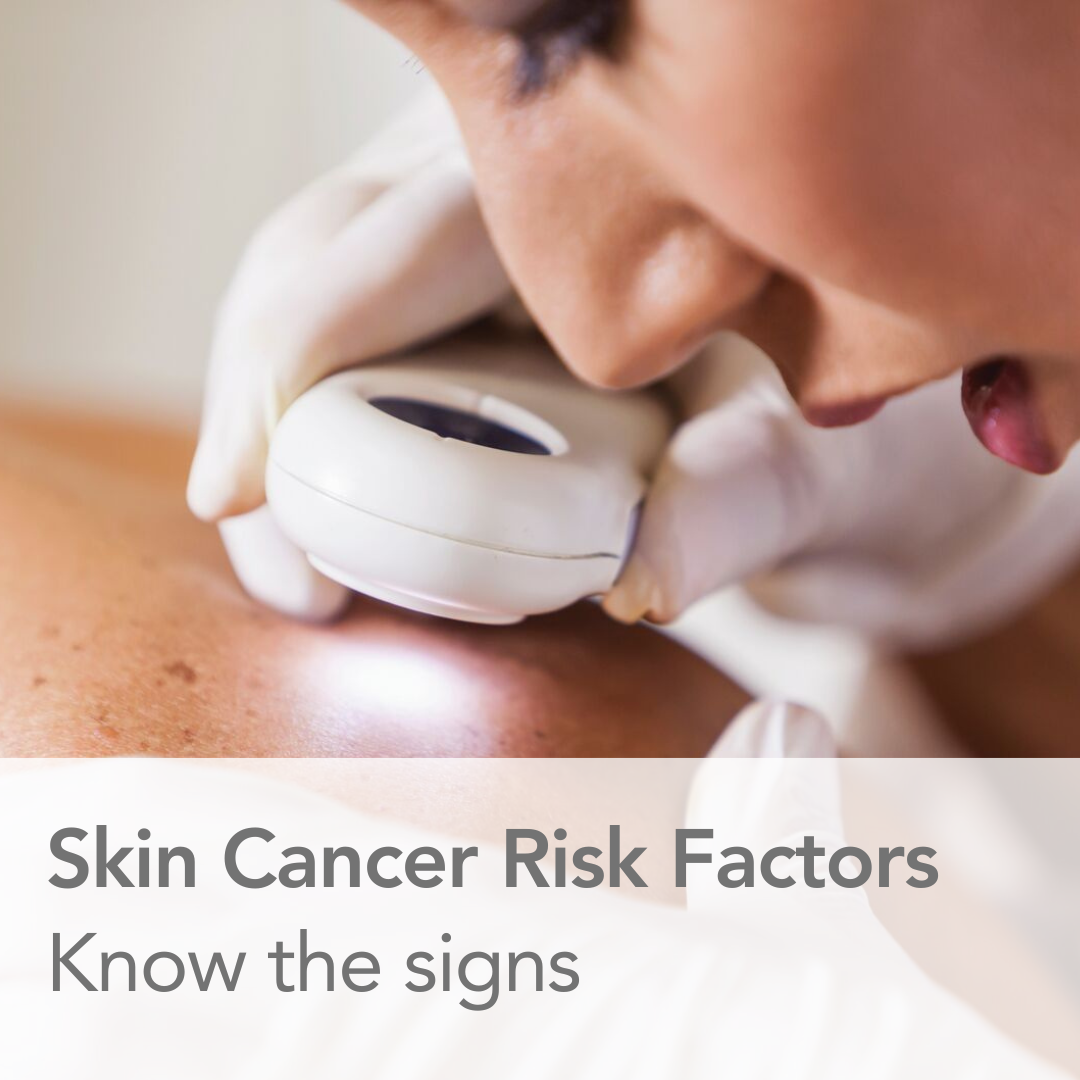
Check Your Skin Regularly  Perform monthly self-exams and schedule annual skin checks with a dermatologist—especially if you have a family history of skin cancer or many moles.

Protecting your skin today can help prevent serious issues tomorrow.Understanding Your Options: Skin Cancer Treatment Paths