
Category

Doctor’s Blog

Honoring Caregivers

Honoring Caregivers: The Strength Behind Every Cancer Journey

February is a time to recognize the caregivers who stand beside patients through every stage of cancer care. From diagnosis to treatment and beyond, caregivers provide emotional support, practical help, and steady encouragement during some of life’s most difficult moments.

Behind every appointment, every treatment day, and every milestone, there is often a spouse, child, sibling, friend, or neighbor offering strength and reassurance.

The Role of a Caregiver in Cancer Care

Caregivers often:

  • Attend appointments and help ask important questions

  • Assist with medication schedules and treatment coordination

  • Provide transportation and daily support

  • Offer emotional encouragement and stability

  • Help navigate insurance and healthcare logistics

Their presence can make a significant difference in a patient’s experience and outcomes.

Supporting the Supporters

While caregivers focus on others, it’s important that they care for themselves as well. Taking time to rest, seek support, and ask for help when needed allows caregivers to remain strong and steady throughout the journey.

At our cancer center, we recognize caregivers as essential members of the care team. We encourage open communication, questions, and shared decision-making so everyone feels informed and supported.

A Shared Journey

Cancer care is never a solo experience. It is a shared path walked together — by patients, families, physicians, nurses, and support staff. This February, we extend our gratitude to caregivers everywhere. Your compassion, resilience, and quiet strength make a lasting difference.

The Role of a Caregiver in Cancer Care

Caregivers often:

  • Attend appointments and help ask important questions

  • Assist with medication schedules and treatment coordination

  • Provide transportation and daily support

  • Offer emotional encouragement and stability

  • Help navigate insurance and healthcare logistics

Their presence can make a significant difference in a patient’s experience and outcomes.

Supporting the Supporters

While caregivers focus on others, it’s important that they care for themselves as well. Taking time to rest, seek support, and ask for help when needed allows caregivers to remain strong and steady throughout the journey.

At our cancer center, we recognize caregivers as essential members of the care team. We encourage open communication, questions, and shared decision-making so everyone feels informed and supported.

A Shared Journey

Cancer care is never a solo experience. It is a shared path walked together — by patients, families, physicians, nurses, and support staff. This February, we extend our gratitude to caregivers everywhere. Your compassion, resilience, and quiet strength make a lasting difference.

If you or someone you love is navigating a cancer diagnosis, our team is here to provide guidance and support at every step.

Heart Health Month

Caring for Your Heart During Cancer Treatment

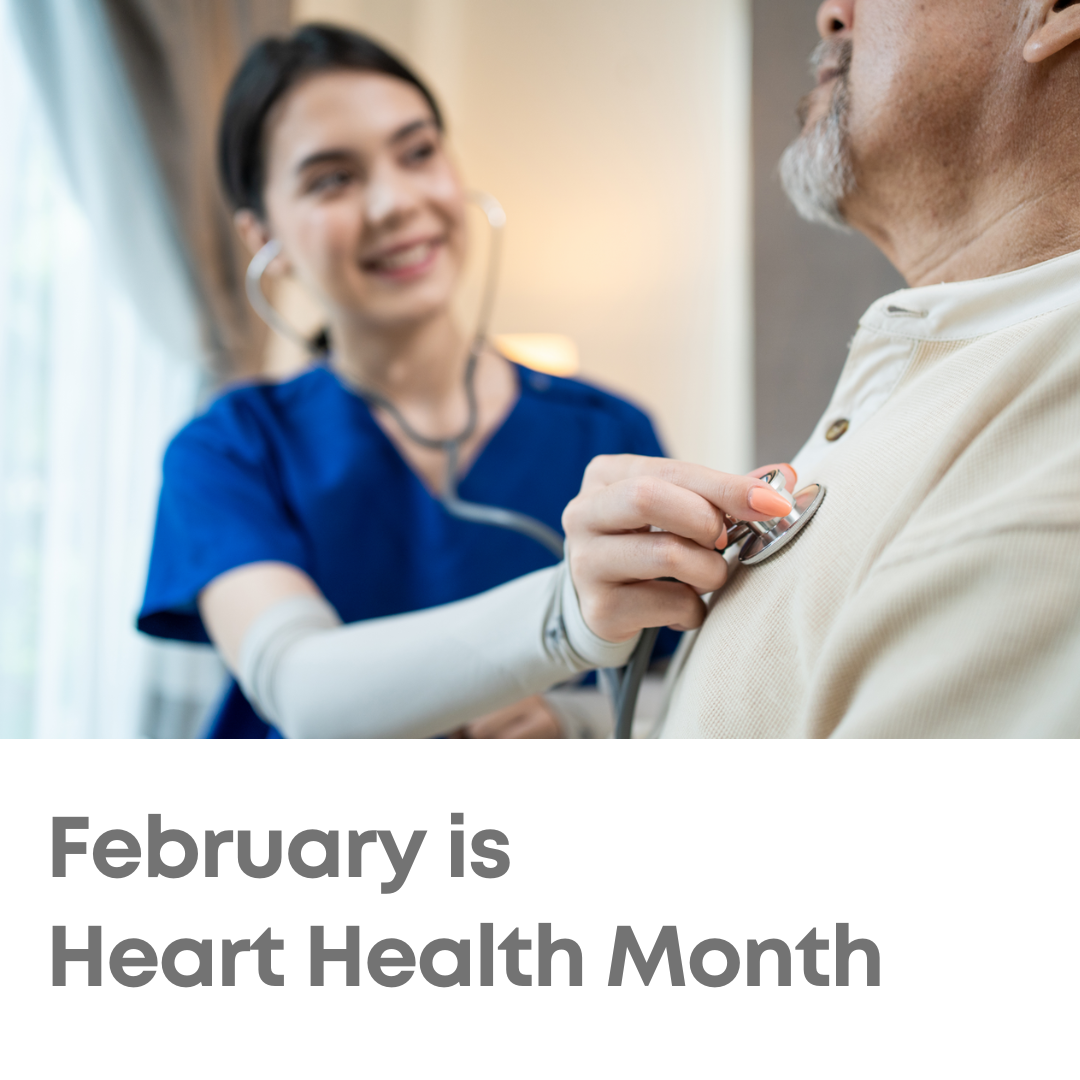
February is Heart Health Month, and protecting cardiovascular health is an important part of cancer care. Modern oncology focuses not only on treating cancer, but also supporting overall wellness during and after treatment.

How Treatment Can Affect the Heart

Some cancer therapies may place stress on the heart or blood vessels. This does not happen to most patients, but monitoring helps detect concerns early.

Your team may recommend evaluation if you have:

  • Prior heart disease

  • High blood pressure or diabetes

  • Smoking history

  • Treatment near the chest

When needed, oncology providers coordinate with cardiology specialists to support safe treatment.

Symptoms to Share With Your Care Team

Report new symptoms such as:

  • Shortness of breath

  • Swelling in legs or ankles

  • Chest discomfort

  • Unusual fatigue

Early communication helps prevent complications and keeps treatment on track.

Cancer care includes protecting long-term health. Monitoring the heart during therapy supports recovery and survivorship.

National Cancer Prevention Month

Prevention Starts with Everyday Choices

National Cancer Prevention Month is a reminder that many cancers are influenced by daily habits. While not every diagnosis can be prevented, research shows a significant number of cancers are linked to modifiable risk factors — meaning small, consistent changes can make a real difference.

Habits That Reduce Risk

Healthy lifestyle choices help support the immune system, regulate hormones, and reduce inflammation.

Focus on:

  • Avoiding tobacco

  • Eating a balanced diet rich in fruits and vegetables

  • Staying physically active

  • Limiting alcohol intake

  • Maintaining a healthy weight

Even gradual changes improve long-term health. It’s never too late to start.

The Role of Screening

Prevention also means detecting cancer early. Screenings can find cancer before symptoms develop, when treatment is often simpler and more successful.

Common screenings may include:

  • Mammograms

  • Colon cancer screening

  • Cervical cancer screening

  • Lung cancer screening for high-risk patients

Your care team can help determine what schedule is appropriate based on age, risk factors, and family history.

Personalized Prevention

Cancer risk is unique to each individual. That’s why prevention is not one-size-fits-all. We work with patients and primary care providers to review risk factors and recommend screening and lifestyle strategies tailored to each person.

Prevention doesn’t require perfection — just consistent, informed decisions. A single appointment, a screening, or a small daily habit can have lasting impact.

Why Follow-Up Matters

Follow-up appointments are an important part of staying healthy. Whether you’re managing a condition, monitoring progress, or simply keeping up with routine care, these visits help your healthcare team make sure everything is on track.

Follow-ups help your providers:

  • Monitor your overall health
  • Catch potential concerns early
  • Adjust care plans when needed
  • Answer questions and provide guidance

Life gets busy, and it can be easy to postpone appointments. Staying consistent with follow-ups helps protect your long-term health and ensures you receive the care you need.

If scheduling, transportation, or timing is a challenge, your care team can often help find options that work for you. Your health deserves continued attention, and follow-up visits play an important role in that.

Common Symptoms of Cervical Cancer

In early stages, cervical cancer may not cause noticeable symptoms. As it progresses, some signs may include:

  • Abnormal vaginal bleeding (between periods, after intercourse, or after menopause)
  • Unusual vaginal discharge that may be watery, bloody, or have a strong odor
  • Pelvic pain or pain during intercourse
  • Heavier or longer menstrual periods
  • Lower back or leg pain in more advanced stages
  • Changes in bladder or bowel habits in later stages

If you experience any of these symptoms, it is important to contact your healthcare provider promptly.


Common Treatment Options

Treatment depends on the stage of cancer, overall health, and individual patient needs. A personalized care plan is created for each patient.

Surgery

  • Often used for early-stage cervical cancer
  • May include removal of abnormal tissue or a hysterectomy

Radiation Therapy

  • Uses high-energy beams to destroy cancer cells
  • May be given externally or internally (brachytherapy)
  • Frequently combined with chemotherapy

Chemotherapy

  • Helps enhance the effectiveness of radiation
  • May also be used for advanced or recurrent disease

Immunotherapy and Targeted Therapy

  • Used in certain advanced cases
  • Helps the immune system recognize and attack cancer cells

Why Early Detection Matters

When cervical cancer is caught early, treatment is often less invasive and more effective. Routine Pap tests and HPV screenings remain the best tools for prevention and early detection. These screenings can identify abnormal changes before cancer develops.