Category

Health Screenings

Understanding Cancer Screenings: Why Early Detection Matters


Cancer is most treatable when detected early, often before symptoms appear. Regular screenings are a critical part of preventive healthcare and can significantly increase the chances of successful treatment. Here’s what you need to know about the importance of cancer screenings:

Why Screenings Matter

Screenings play a vital role in identifying cancer in its earliest stages, which can:

  • Increase Survival Rates: Early detection often means more treatment options and better outcomes.
  • Identify Cancer Before Symptoms Appear: Screenings can catch changes in the body that may not yet cause noticeable symptoms, giving you a head start on treatment.

Common Cancer Screenings

Regular screenings are tailored to detect specific types of cancer. Here are some of the most common:

  1. Breast Cancer
  • Screening Test: Mammograms
  • Recommendation: Women should start annual or biennial mammograms at age 40, or earlier if they have a family history or other risk factors.
  1. Colorectal Cancer
  • Screening Test: Colonoscopies
  • Recommendation: Begin screenings at age 45. Individuals with a family history or other risk factors may need to start earlier.

3. Cervical Cancer

  • Screening Test: Pap Smears and HPV Testing
  • Recommendation: Women should start Pap smears at age 21. Depending on age and previous results, screenings may be done every 3-5 years, or more frequently based on your provider’s recommendations. Combined HPV testing may also be recommended to detect high-risk viruses that can lead to cervical cancer.

4. Lung Cancer

  • Screening Test: Low-dose CT scans
  • Recommendation: High-risk individuals, such a

Talk to Your Doctor

Your family history, lifestyle, and personal risk factors determine when and how often you should be screened. It’s essential to:

  • Discuss your medical history with your healthcare provider.
  • Create a personalized screening plan that aligns with your needs.
  • Stay informed about updates to screening guidelines for specific cancers.

Early detection through regular cancer screenings can save lives. By scheduling your screenings and encouraging your loved ones to do the same, you can take a proactive step toward better health.

The Importance of Prostate Cancer Screening

Prostate cancer is one of the most common cancers among men. Early detection through screening can significantly improve outcomes. Here’s what you need to know about prostate cancer screening.

There are two primary tools for prostate cancer screening and when combined, these screening methods provide a comprehensive evaluation.

Prostate-Specific Antigen (PSA) Test:

  • What It Is: A blood test that measures the level of PSA, a protein produced by the prostate gland.
  • What It Indicates: Higher-than-normal PSA levels can indicate prostate cancer, but also other conditions like an enlarged prostate

Digital Rectal Exam (DRE):

  • What It Is: A physical exam where a doctor feels the prostate gland through the rectum to check for abnormalities.
  • What It Indicates: Abnormalities such as lumps or hard areas might suggest prostate cancer.

Early detection through screening is crucial, as prostate cancer often presents with subtle or no symptoms in its initial stages. Identifying potential concerns early allows for timely intervention and tailored treatment plans.

When to Start Screening

  • General Guidelines: Men should discuss screening with their doctor starting at age 50.
  • Higher Risk Groups: Men at higher risk, including African American men and those with a family history of prostate cancer, should consider starting at age 45.

Benefits and Risks of Screening

  • Benefits:
    • Early detection can lead to early treatment and better outcomes.
    • Can detect cancer before symptoms appear.

Prostate cancer screening is a valuable tool for early detection and can significantly impact treatment outcomes. Discuss your options with your doctor to determine the best screening plan for you. Remember, early detection is key to effective treatment and better health.

The Importance of Prostate Cancer Screening

Prostate cancer is one of the most common cancers among men. Early detection through screening can significantly improve outcomes. Here’s what you need to know about prostate cancer screening.

There are two primary tools for prostate cancer screening and when combined, these screening methods provide a comprehensive evaluation.

Prostate-Specific Antigen (PSA) Test:

  • What It Is: A blood test that measures the level of PSA, a protein produced by the prostate gland.
  • What It Indicates: Higher-than-normal PSA levels can indicate prostate cancer, but also other conditions like an enlarged prostate

Digital Rectal Exam (DRE):

  • What It Is: A physical exam where a doctor feels the prostate gland through the rectum to check for abnormalities.
  • What It Indicates: Abnormalities such as lumps or hard areas might suggest prostate cancer.

Early detection through screening is crucial, as prostate cancer often presents with subtle or no symptoms in its initial stages. Identifying potential concerns early allows for timely intervention and tailored treatment plans.

When to Start Screening

  • General Guidelines: Men should discuss screening with their doctor starting at age 50.
  • Higher Risk Groups: Men at higher risk, including African American men and those with a family history of prostate cancer, should consider starting at age 45.

Benefits and Risks of Screening

  • Benefits:
    • Early detection can lead to early treatment and better outcomes.
    • Can detect cancer before symptoms appear.

Prostate cancer screening is a valuable tool for early detection and can significantly impact treatment outcomes. Discuss your options with your doctor to determine the best screening plan for you. Remember, early detection is key to effective treatment and better health.

National Women’s Health Week

National Women’s Health Week serves as a reminder to prioritize their physical and mental health, and overall well-being. This week aims to highlight women’s health issues and priorities and encourage women of all ages to prioritize their physical, mental, and emotional well-being. Join us in this uplifting journey as we dive into everything that makes women’s health so important.

The focus is on the unique health challenges women face, and the aim is to empower women to make their health a top priority and help them understand what steps they can take to improve their health. Here’s how you can participate, raise awareness, and make the most of this important week.

Tips for Participating in Women’s Health Week

Schedule a Check-Up

    • Use this week as a reminder to schedule or attend regular check-ups. Whether it’s a general physical, a mammogram, or a reproductive health exam, staying on top of your screenings is critical for early detection of potential health issues.

Stay Active

    • Regular physical activity is one of the most important things you can do for your health. It can help prevent several diseases, including heart disease, cancer, and stroke. Aim for at least 150 minutes of moderate-intensity aerobic activity or 75 minutes of vigorous activity each week.

Eat Well

    • A balanced diet rich in fruits, vegetables, lean proteins, and whole grains is essential for good health. Reduce your intake of processed foods, sugar, and saturated fats to boost overall health and energy.

Focus on Mental Health

    • Mental health is as vital as physical health, and it’s important to take time to relax and recharge. Consider activities like yoga, meditation, or just spending time on a hobby you love.

Educate Yourself on Health Issues Affecting Women

    • Take time to read up on issues like breast cancer, cervical cancer, mental health, and heart health. Understanding these can help you make informed decisions about your health.

Preventive Care Importance

Preventive care is a key focus during Women’s Health Week. It’s about more than just avoiding illness; it’s about keeping healthy, living longer, and being proactive about your health. This includes:

  • Regular screenings for breast and cervical cancer.
  • Vaccinations that are important for women.
  • Discussion about family planning and safe sex practices.
  • Comprehensive checks for cholesterol levels, blood pressure, and more.

Women’s Health Week is more than a seven-day observance; it’s a reminder that women’s health matters every day. By taking steps to improve your health, advocating for necessary health services, and educating yourself and others, you can make a lasting impact on your well-being and that of other women in your community. Let’s use this week to celebrate health, spread awareness, and take action towards a healthier future for all women.

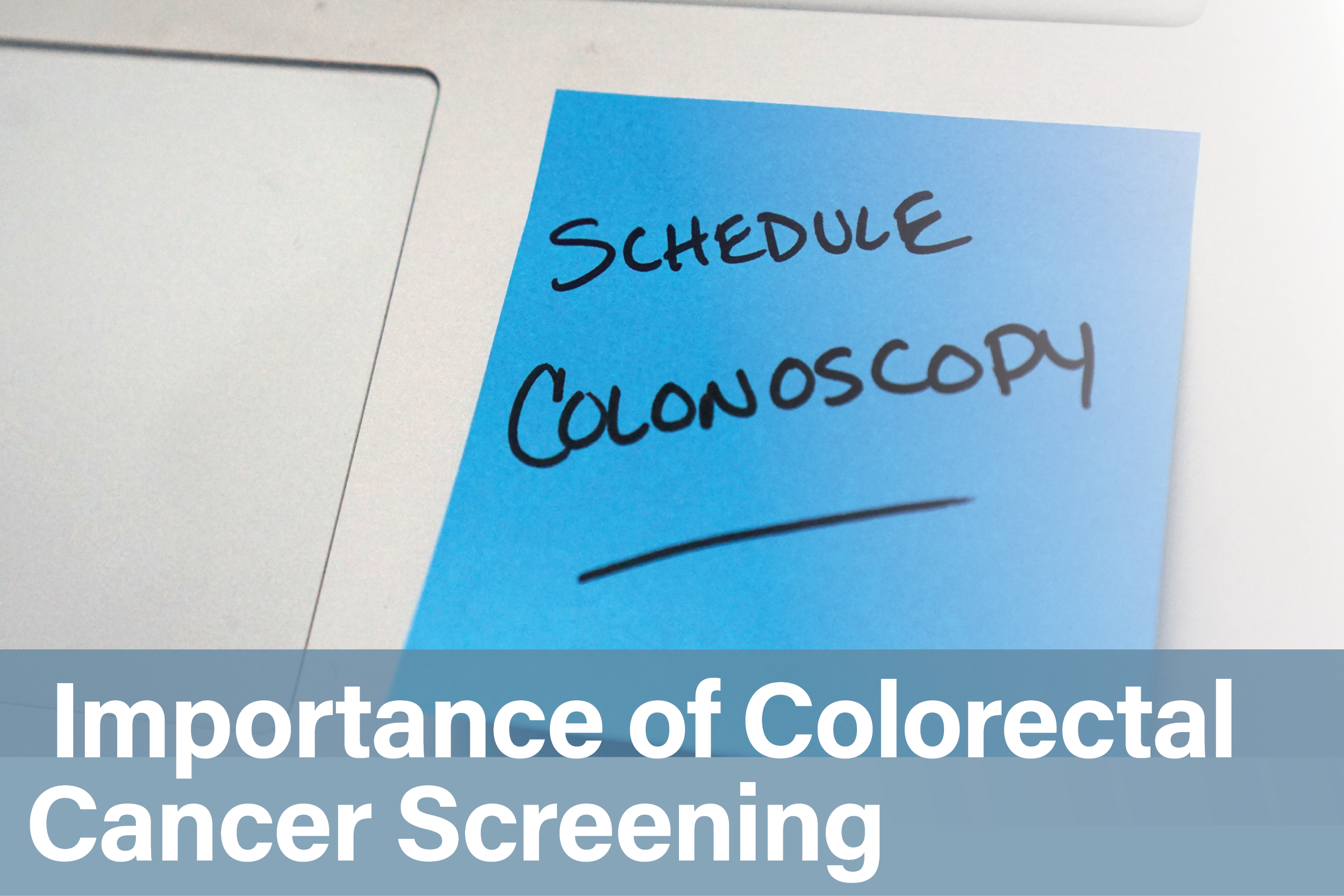
Screening for Colorectal Cancer

Colorectal cancer screening is crucial for early detection and improved outcomes. Here’s why it matters and the screening options available: 

Why Screening Matters: 

  1. Early Detection: Detecting colorectal cancer early increases treatment success and survival rates. 
  1. Prevention: Screening can identify precancerous polyps, allowing for their removal before they become cancerous.   

Screening Options: 

Several screening tests are available for colorectal cancer and are recommend if you are 45 and average risk. If you are high risk, or have family history, your doctor might recommend earlier screening. Please be sure to discuss screening recommendations with your physician.  

  1. Colonoscopy: A colonoscopy is considered the gold standard for colorectal cancer screening. During this procedure, a flexible tube with a camera is inserted into the colon to examine the lining for abnormalities or polyps. If polyps are found, they can be removed during the procedure. 
  1. Fecal Occult Blood Test (FOBT) and Fecal Immunochemical Test (FIT): These tests detect blood in the stool, which can be a sign of colorectal cancer or precancerous polyps. They are non-invasive and can be done at home by collecting stool samples and sending them to a lab for analysis. 
  1. Stool DNA Test (FIT-DNA): This test combines the detection of blood in the stool with the analysis of DNA markers associated with colorectal cancer. It can also be done at home by collecting stool samples and sending them to a lab for analysis. 
  1. Flexible Sigmoidoscopy: Similar to a colonoscopy, a sigmoidoscopy examines the lower part of the colon for polyps or abnormalities. However, it does not examine the entire colon. 
  1. CT Colonography (Virtual Colonoscopy): This imaging test uses a CT scanner to create detailed images of the colon. While less invasive than a traditional colonoscopy, it still requires bowel preparation and may miss small polyps. 

Regular screening for colorectal cancer is essential for early detection, improved outcomes, and prevention. Talk to your healthcare provider about which screening test is right for you based on your age, risk factors, and medical history. Remember, early detection saves lives.

The Power of Healthy Lifestyle Practices for Cancer Prevention


Healthy lifestyle practices can have a significant impact in reducing the risk of cancer. Incorporating healthy habits like focused nutrition, physical activity, staying away from tobacco, and sun safety, you can prevent various types of cancer.

Nourishing the Body for Wellness

Nutrition plays a fundamental role in cancer prevention. By incorporating balanced and nutritious diet rich in fruits, vegetables, whole grains, and lean proteins, individuals can fortify their bodies with essential nutrients and antioxidants that support overall health and reduce the risk of certain cancers.

The Power of Physical Activity

Regular physical activity contributes to overall fitness and cancer prevention. Engaging in moderate to vigorous physical activities can help individuals maintain a healthy weight, reduce the risk of certain cancers, and promote overall well-being.

Breaking Free from Tobacco

Staying away from tobacco is critical in cancer prevention. By quitting smoking and avoiding exposure to secondhand smoke, individuals can significantly lower their risk of developing lung cancer and other tobacco-related cancers.

Embracing Sun Safety Practices

Practicing sun safety, such as using sunscreen, wearing protective clothing, and seeking shade, can help reduce the risk of skin cancer caused by harmful ultraviolet (UV) radiation.

Taking Charge of Our Health

Together, let’s prioritize our health and well-being. Our providers are here to help! Contact us today to learn more about our services.

Early Detection and Screening for Cancer

As we commemorate National Cancer Prevention Month, it is crucial to recognize the importance of early detection and screening in the ongoing battle against cancer. Regular screenings for different cancer types can greatly impact timely intervention and treatment outcomes.

Importance of Regular Screenings

Regular screenings for various types of cancer, such as breast, cervical, colorectal, prostate, and lung cancer, play a fundamental role in detecting cancer at its earliest stages. These screenings allow healthcare professionals to identify abnormalities or cancerous growths before symptoms begin, increasing the chances of successful treatment and improved prognosis.

Available Screening Methods

From mammograms and Pap tests to colonoscopies and PSA tests, there are diverse screening methods tailored to detect different types of cancer. Understanding these screening options and their recommended frequencies allows patients to be involved with their preventive healthcare and advocate for their well-being.

Timely Intervention

Timely detection through screenings can significantly impact treatment outcomes, potentially leading to less aggressive interventions and higher survival rates. Early-stage cancer diagnosis often offers a wider array of treatment options, making proactive screening a vital component of comprehensive cancer prevention strategies.

Empowering Individuals

By emphasizing the critical role of early detection and screening, we aim to empower individuals with the knowledge and resources to minimize their cancer risk. Through awareness, education, and access to screening programs, we can collectively work towards reducing the burden of cancer.

Stand United for Cancer Prevention

By advocating for regular screenings, staying informed about available screening methods, and encouraging proactive healthcare practices, we can minimize the impact of cancer on individuals and communities.

Let’s continue to raise awareness, prioritize early detection, and practice proactive health initiatives. Together, we can make a difference in the fight against cancer.

Early Detection and Screening for Cancer

As we commemorate National Cancer Prevention Month, it is crucial to recognize the importance of early detection and screening in the ongoing battle against cancer. Regular screenings for different cancer types can greatly impact timely intervention and treatment outcomes.

Importance of Regular Screenings

Regular screenings for various types of cancer, such as breast, cervical, colorectal, prostate, and lung cancer, play a fundamental role in detecting cancer at its earliest stages. These screenings allow healthcare professionals to identify abnormalities or cancerous growths before symptoms begin, increasing the chances of successful treatment and improved prognosis.

Available Screening Methods

From mammograms and Pap tests to colonoscopies and PSA tests, there are diverse screening methods tailored to detect different types of cancer. Understanding these screening options and their recommended frequencies allows patients to be involved with their preventive healthcare and advocate for their well-being.

Timely Intervention

Timely detection through screenings can significantly impact treatment outcomes, potentially leading to less aggressive interventions and higher survival rates. Early-stage cancer diagnosis often offers a wider array of treatment options, making proactive screening a vital component of comprehensive cancer prevention strategies.

Empowering Individuals

By emphasizing the critical role of early detection and screening, we aim to empower individuals with the knowledge and resources to minimize their cancer risk. Through awareness, education, and access to screening programs, we can collectively work towards reducing the burden of cancer.

Stand United for Cancer Prevention

By advocating for regular screenings, staying informed about available screening methods, and encouraging proactive healthcare practices, we can minimize the impact of cancer on individuals and communities.

Let’s continue to raise awareness, prioritize early detection, and practice proactive health initiatives. Together, we can make a difference in the fight against cancer.

What to Know About PSA Levels and Why You Should Care

Thinking about scheduling your prostate cancer screening? One way to test for prostate cancer is a prostate-specific antigen level test, also called a PSA blood test.

Here’s common questions surrounding PSA levels and our answers.

Q:

What is an elevated PSA level, and what does it indicate?

A:

An elevated PSA level refers to an increase in the amount of PSA protein present in a man’s blood. PSA is a protein produced by the prostate gland, and its primary function is to liquefy semen.

Q:

What are the potential causes of elevated PSA levels?

A:

Elevated PSA levels can be caused by several factors, including:

1. Benign Prostate Hyperplasia (BPH): BPH is a non-cancerous enlargement of the prostate gland, which can elevate PSA levels due to increased overall prostate tissue.

2. Prostatitis: Prostatitis is inflammation of the prostate gland, leading to a temporary rise in PSA levels. It is not necessarily indicative of prostate cancer.

3. Prostate Cancer: Elevated PSA levels can sometimes be an early sign of prostate cancer. However, a high PSA level does not confirm cancer, as other non-cancerous conditions can also elevate PSA.

4. Urinary Tract Infection (UTI): Infections in the urinary tract or prostate can cause temporary elevations in PSA levels.

5. Prostate Procedures: Certain medical procedures, such as a prostate biopsy or surgery, can cause temporary increases in PSA levels.

Q:

What is the significance of an elevated PSA level regarding prostate cancer?

A:

While an elevated PSA level can be an indicator of prostate cancer, it is not a definitive diagnosis. Many men with elevated PSA levels do not have prostate cancer, and some men with prostate cancer may have normal PSA levels. Therefore, an elevated PSA level requires further investigation to determine the cause. Additional tests, such as a digital rectal exam (DRE) and imaging studies, may be conducted to assess the prostate’s condition and detect any abnormalities.

Q:

At what age should men consider getting their PSA levels checked?

A:

The age at which men should consider getting their PSA levels checked varies based on individual risk factors and guidelines from healthcare organizations. Generally, discussions about prostate cancer screening, including PSA testing, should begin at:

Age 50: For men at average risk of prostate cancer.

Age 45: For men at higher risk, such as African Americans or those with a family history of prostate cancer.

Age 40: For men with a strong family history of prostate cancer (multiple family members diagnosed at a young age).

These are the recommended ages and some factors. Ultimately, the decision to get screened should be made after a thorough discussion with a healthcare provider, taking into account an individual’s medical history, family history, and overall health.

Q:

Can lifestyle factors affect PSA levels?

A:

Yes, certain lifestyle factors can influence PSA levels. Factors such as vigorous exercise, ejaculation, and certain medications (e.g., finasteride) may temporarily elevate PSA levels. It is essential to inform the healthcare provider about any recent lifestyle changes or medication use before undergoing a PSA test to ensure accurate interpretation of the results. However, lifestyle factors do not have a significant impact on PSA levels in the context of diagnosing prostate cancer or other prostate-related conditions.

EXPERT CARE

No two situations are the same. That’s why our caring team of experts are here to provide you with a custom-tailored treatment plan that is unique to your diagnosis, tumor size, location and involvement. Click on the button below to learn more.

What to Know About PSA Levels and Why You Should Care

Thinking about scheduling your prostate cancer screening? One way to test for prostate cancer is a prostate-specific antigen level test, also called a PSA blood test.

Here’s common questions surrounding PSA levels and our answers.

Q:

What is an elevated PSA level, and what does it indicate?

A:

An elevated PSA level refers to an increase in the amount of PSA protein present in a man’s blood. PSA is a protein produced by the prostate gland, and its primary function is to liquefy semen.

Q:

What are the potential causes of elevated PSA levels?

A:

Elevated PSA levels can be caused by several factors, including:

1. Benign Prostate Hyperplasia (BPH): BPH is a non-cancerous enlargement of the prostate gland, which can elevate PSA levels due to increased overall prostate tissue.

2. Prostatitis: Prostatitis is inflammation of the prostate gland, leading to a temporary rise in PSA levels. It is not necessarily indicative of prostate cancer.

3. Prostate Cancer: Elevated PSA levels can sometimes be an early sign of prostate cancer. However, a high PSA level does not confirm cancer, as other non-cancerous conditions can also elevate PSA.

4. Urinary Tract Infection (UTI): Infections in the urinary tract or prostate can cause temporary elevations in PSA levels.

5. Prostate Procedures: Certain medical procedures, such as a prostate biopsy or surgery, can cause temporary increases in PSA levels.

Q:

What is the significance of an elevated PSA level regarding prostate cancer?

A:

While an elevated PSA level can be an indicator of prostate cancer, it is not a definitive diagnosis. Many men with elevated PSA levels do not have prostate cancer, and some men with prostate cancer may have normal PSA levels. Therefore, an elevated PSA level requires further investigation to determine the cause. Additional tests, such as a digital rectal exam (DRE) and imaging studies, may be conducted to assess the prostate’s condition and detect any abnormalities.

Q:

At what age should men consider getting their PSA levels checked?

A:

The age at which men should consider getting their PSA levels checked varies based on individual risk factors and guidelines from healthcare organizations. Generally, discussions about prostate cancer screening, including PSA testing, should begin at:

Age 50: For men at average risk of prostate cancer.

Age 45: For men at higher risk, such as African Americans or those with a family history of prostate cancer.

Age 40: For men with a strong family history of prostate cancer (multiple family members diagnosed at a young age).

These are the recommended ages and some factors. Ultimately, the decision to get screened should be made after a thorough discussion with a healthcare provider, taking into account an individual’s medical history, family history, and overall health.

Q:

Can lifestyle factors affect PSA levels?

A:

Yes, certain lifestyle factors can influence PSA levels. Factors such as vigorous exercise, ejaculation, and certain medications (e.g., finasteride) may temporarily elevate PSA levels. It is essential to inform the healthcare provider about any recent lifestyle changes or medication use before undergoing a PSA test to ensure accurate interpretation of the results. However, lifestyle factors do not have a significant impact on PSA levels in the context of diagnosing prostate cancer or other prostate-related conditions.