All Posts By

[email protected]

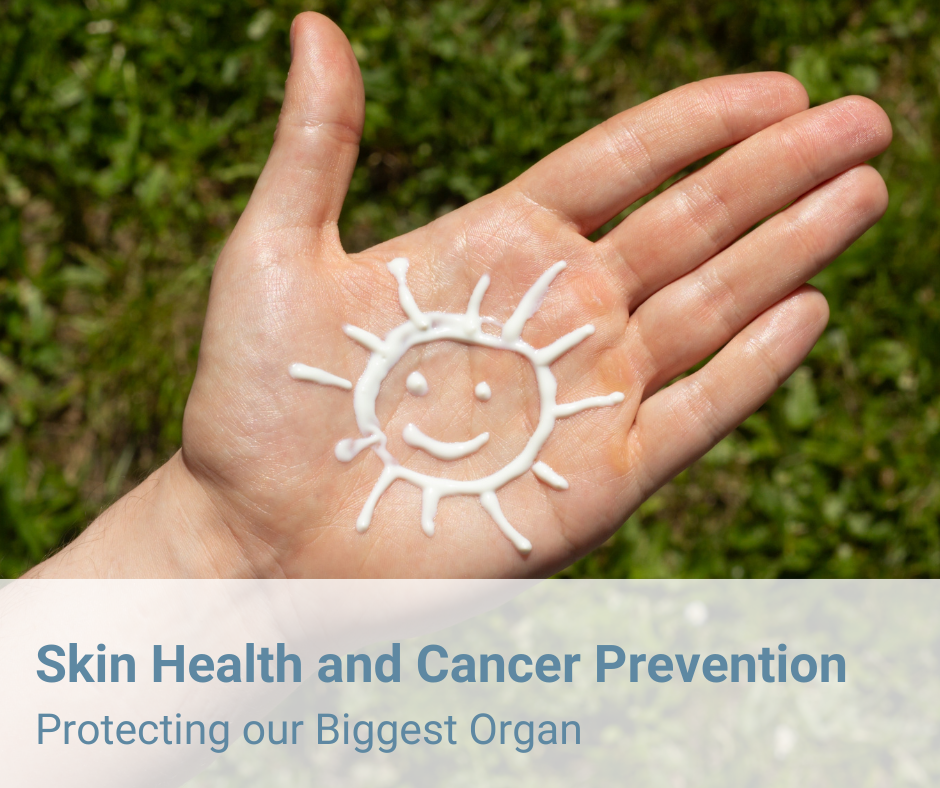
Stay Safe This Summer: Protecting Your Skin from Cancer

As the sun shines brighter and temperatures rise, summer invites us to spend more time outdoors enjoying various activities. However, the increased exposure to the sun’s ultraviolet (UV) rays also heightens the risk of skin cancer, the most common cancer in the United States. Understanding how to protect your skin is crucial for a healthy and enjoyable summer.

Understanding Skin Cancer

Skin cancer occurs when abnormal cells in the skin grow uncontrollably. The main types include:

1. Basal Cell Carcinoma (BCC): The most common and usually the least aggressive type.
2. Squamous Cell Carcinoma (SCC): Can be more aggressive than BCC but is also highly treatable when caught early.
3. Melanoma: The most dangerous form, capable of spreading to other parts of the body. Early detection is key to successful treatment.

The Role of UV Rays
UV rays from the sun and tanning beds are the primary cause of skin cancer. They damage the DNA in skin cells, leading to mutations that can result in cancer. Both UVA and UVB rays contribute to skin damage, including premature aging and sunburns, which are indicators of potential skin cancer risk.

Tips for Protecting Your Skin

Use Sunscreen
Applying a broad-spectrum sunscreen with an SPF of at least 30 is one of the most effective ways to protect your skin. Remember to:

• Apply 15 minutes before going outside.
• Reapply every two hours, or more frequently if swimming or sweating.
• Use a generous amount to cover all exposed skin, including often-missed areas like the ears, back of the neck, and tops of the feet.

Seek Shade
The sun’s rays are strongest between 10 a.m. and 4 p.m. Whenever possible, seek shade during these hours to minimize direct exposure. Trees, umbrellas, and canopies can provide effective protection.

Wear Protective Clothing
Clothing can offer a physical barrier against UV rays. Consider wearing:

• Long-sleeved shirts and long pants made from tightly woven fabric.
• A wide-brimmed hat to protect your face, neck, and ears.
• UV-blocking sunglasses to protect your eyes and the sensitive skin around them.

Avoid Tanning Beds
Tanning beds emit UV radiation that can be even more intense than the sun. Avoiding them altogether is the best choice for your skin’s health.

Stay Hydrated
Hydration helps maintain healthy skin and overall well-being. Drink plenty of water, especially when spending time outdoors.

Regular Skin Checks
Performing regular self-examinations can help detect skin cancer early. Look for new or changing moles, spots, or lesions. The ABCDE rule can help identify potential melanomas:

• Asymmetry: One half of the mole doesn’t match the other.
• Border: Irregular, scalloped, or poorly defined borders.
• Color: Varied colors from one area to another.
• Diameter: Melanomas are usually larger than 6mm (about the size of a pencil eraser) but can be smaller.
• Evolving: Any change in size, shape, color, or symptoms (itching, bleeding).

If you notice anything suspicious, consult a dermatologist promptly.

Enjoying the Sun Safely
While it’s important to protect your skin, you can still enjoy outdoor activities this summer. Here are a few tips to balance sun protection with summer fun:

• Plan outdoor activities for early morning or late afternoon when the sun is less intense.
• Create shaded areas for play and relaxation.
• Incorporate sun protection into your daily routine to make it a habit.

Skin cancer is largely preventable with the right precautions. By adopting sun-safe habits, you can enjoy the summer sun while minimizing your risk. Remember, protecting your skin today can help ensure a healthier tomorrow. Stay safe, stay protected, and enjoy your summer!

Understanding Sarcoma and Bone Cancer

July is National Sarcoma and Bone Cancer Awareness Month, dedicated to increasing understanding of these rare and complex cancers. Sarcomas, which arise in bones and soft tissues, and bone cancers can affect anyone but are often misunderstood. Awareness is key to early detection, better treatment outcomes, and supporting those affected.

What is Sarcoma?
Sarcoma is a broad category of cancers originating in bones and soft tissues, including muscles, fat, blood vessels, nerves, and fibrous tissues. Sarcomas are rare, making up about 1% of adult cancers and 15% of pediatric cancers. They are divided into two main types:

– Bone Sarcomas: These include osteosarcoma, chondrosarcoma, and Ewing’s sarcoma. These cancers primarily affect the long bones in the arms and legs and the pelvis.
– Soft Tissue Sarcomas: These can develop in any part of the body but are most commonly found in the arms, legs, and abdomen. Types include liposarcoma, leiomyosarcoma, and angiosarcoma.

What is Bone Cancer?
Bone cancer specifically refers to malignancies that begin in the bones. Primary bone cancers are rare, and the most common types include:

– Osteosarcoma: Typically affects teenagers and young adults, commonly in the long bones around the knee.
– Chondrosarcoma: Cancer of the cartilage cells, more common in adults.
– Ewing’s Sarcoma: Affects children and young adults, usually starting in the bones or soft tissues around the bones.

Symptoms and Diagnosis

Common Symptoms
Symptoms of sarcoma and bone cancer can vary depending on the tumor’s location and size but often include:
• Persistent pain, often worsening at night
• Swelling or a noticeable lump
• Reduced mobility or function in the affected area
• Unexplained weight loss and fatigue

Diagnosis
Diagnosing these cancers typically involves:
• Imaging Tests: X-rays, CT scans, MRIs, and PET scans to identify the tumor’s location and size.
• Biopsy: A sample of tissue is taken to confirm the presence of cancer cells and determine the type of sarcoma or bone cancer.

Treatment Options
Treatment for sarcoma and bone cancer often requires a combination approach:
• Surgery: The primary treatment to remove the tumor entirely.
• Radiation Therapy: Used before or after surgery to shrink tumors or kill remaining cancer cells.
• Chemotherapy: Particularly useful for certain types of sarcoma and bone cancers.
• Targeted Therapy and Immunotherapy: New treatments targeting specific cancer cells or enhancing the immune response.

Raising awareness about sarcoma and bone cancer is crucial for early detection, better treatments, and supporting those affected. Contact your healthcare provider if you have any questions or concerns.

Important Prostate Cancer Health Tips

Prostate cancer is a serious health concern that affects millions of men worldwide. It’s a diagnosis no one wants to receive, but being armed with the right information and taking proactive steps can significantly improve outcomes and increase the chances of early detection. Below are some essential health tips to help you stay informed and take care of your prostate.

What is prostate cancer?
Prostate cancer occurs when abnormal cells in the prostate gland grow and divide uncontrollably. The prostate gland is a small walnut-shaped organ located below the bladder and in front of the rectum. It produces seminal fluid that nourishes and transports sperm. Prostate cancer is the second most common cancer among men, but the good news is that it is highly treatable if detected early. Understanding the basics of prostate cancer is crucial in taking preventive measures and seeking appropriate medical advice.

Risk factors for prostate cancer
While the exact cause of prostate cancer is still unknown, certain risk factors have been identified. Age is the most significant risk factor, with the majority of cases occurring in men over the age of 65. Other factors include a family history of prostate cancer, ethnicity (African American men have a higher risk), and certain genetic mutations. It’s important to be aware of these risk factors and discuss them with your healthcare provider to determine if you need to take extra precautions.

Symptoms of prostate cancer
Prostate cancer often doesn’t cause noticeable symptoms in its early stages. However, as the disease progresses, symptoms may start to appear. These can include frequent urination, difficulty starting and stopping urination, weak urine flow, blood in the urine or semen, and discomfort in the pelvic area. It’s crucial to pay attention to any changes in urinary habits and report them to your doctor for further evaluation.

Early detection and screening for prostate cancer
Early detection is key to successful treatment and improved outcomes. Regular screening can help identify prostate cancer before symptoms develop. The two main screening tests for prostate cancer are the prostate-specific antigen (PSA) blood test and the digital rectal exam (DRE). The PSA test measures the level of PSA in the blood, while the DRE allows the doctor to examine the prostate gland for any abnormalities. Talk to your doctor about the benefits and limitations of these screening tests and determine the best approach for your individual situation.

Healthy lifestyle choices to reduce the risk of prostate cancer
While certain risk factors for prostate cancer cannot be changed, such as age and family history, adopting a healthy lifestyle can help reduce the risk. Regular exercise, maintaining a healthy weight, and avoiding tobacco products are all factors that contribute to overall prostate health. Additionally, consuming a diet rich in fruits, vegetables, whole grains, and lean proteins can provide essential nutrients and antioxidants that support prostate health. Small changes in your daily habits can make a significant difference in reducing the risk of prostate cancer.

Diet and nutrition tips for prostate cancer prevention
Research suggests that certain dietary choices may have a protective effect against prostate cancer. Adding foods like tomatoes, broccoli, green tea, and fatty fish (such as salmon) to your diet can provide beneficial nutrients that support prostate health. On the other hand, limiting the consumption of red and processed meats, high-fat dairy products, and sugary foods can help reduce the risk. It’s important to consult with a registered dietitian or nutritionist to create a personalized diet plan that suits your individual needs and preferences.

Exercise and physical activity recommendations for prostate cancer patients
Regular exercise and physical activity not only contribute to overall well-being but also play a significant role in managing prostate cancer. Engaging in activities like brisk walking, swimming, cycling, and strength training can help improve muscle strength, reduce fatigue, and promote a healthy body weight. It’s essential to talk to your healthcare team before starting any exercise program to ensure it’s safe and suitable for your specific condition.

Treatment options for prostate cancer
The treatment approach for prostate cancer depends on various factors, including the stage of cancer, overall health, and personal preferences. Treatment options may include active surveillance (monitoring the cancer without immediate treatment), surgery, radiation therapy, hormone therapy, and chemotherapy. Each treatment option carries its own benefits and potential side effects, so it’s crucial to have a thorough discussion with your healthcare provider to make an informed decision about the best course of action for you.

Taking control of your prostate health
Prostate cancer is a significant health concern that requires attention and proactive measures. By understanding the risk factors, recognizing the symptoms, and seeking early detection through regular screenings, you can increase the chances of successful treatment and improved outcomes. Making healthy lifestyle choices, including a balanced diet and regular exercise, further contributes to overall prostate health. Remember to consult with healthcare professionals, stay informed, and utilize available support and resources. By taking control of your prostate health, you’re taking steps towards a healthier future.

Nutrition During Cancer Treatment: Tips for Maintaining Your Health

Cancer and its treatments can significantly impact your nutrition and overall well-being. Weight loss and undernutrition are common due to a loss of appetite and other factors that affect eating. Severe undernutrition can compromise the function of vital organs such as the heart, liver, and kidneys, and impair your ability to heal from surgery, chemotherapy, and radiation side effects. Ensuring you get the right nutrients is crucial for maintaining your quality of life during this challenging time. Here are some tips to help boost your nutrition:

Opt for Several Small Meals a Day
Instead of three large meals, try eating several small meals throughout the day. This approach can make it easier to consume more calories and nutrients without feeling overwhelmed by a large plate of food.

Prioritize High-Protein Foods

When your appetite is at its peak, start your meal with high-protein foods. Protein is essential for maintaining muscle mass and supporting recovery. Foods such as beans, chicken, fish, meat, yogurt, and eggs are excellent choices to include in your diet.

Eat Your Largest Meal When You Feel Hungriest
Identify the time of day when you feel most hungry and make that your largest meal. Whether it’s breakfast, lunch, or dinner, take advantage of your hunger to consume the most calories and nutrients at that time.

Keep Food Interesting
Variety is key to keeping your meals appealing. Experiment with different recipes, seasonings, and cooking methods to find new flavors and textures. Eating at nice restaurants occasionally can also provide a pleasant change of environment and stimulate your appetite.

Keep Favorite and High-Calorie Foods Accessible
Stock up on your favorite foods and high-calorie snacks and beverages. Keeping these items readily available at home and in other places you frequently visit can encourage you to eat more regularly. High-calorie options can help you meet your nutritional needs even if you’re eating smaller portions.

Maintaining proper nutrition during cancer treatment is vital for your overall health and recovery. By implementing these tips, you can help manage weight loss and undernutrition, ensuring your body gets the nutrients it needs to support vital functions and enhance your quality of life. Always consult with your healthcare team for personalized advice and guidance on your nutritional needs during treatment. Remember, small, consistent efforts can make a significant difference in your health and well-being.

The Importance of Prostate Cancer Screening

Prostate cancer is one of the most common cancers among men. Early detection through screening can significantly improve outcomes. Here’s what you need to know about prostate cancer screening.

There are two primary tools for prostate cancer screening and when combined, these screening methods provide a comprehensive evaluation.

Prostate-Specific Antigen (PSA) Test:

  • What It Is: A blood test that measures the level of PSA, a protein produced by the prostate gland.
  • What It Indicates: Higher-than-normal PSA levels can indicate prostate cancer, but also other conditions like an enlarged prostate

Digital Rectal Exam (DRE):

  • What It Is: A physical exam where a doctor feels the prostate gland through the rectum to check for abnormalities.
  • What It Indicates: Abnormalities such as lumps or hard areas might suggest prostate cancer.

Early detection through screening is crucial, as prostate cancer often presents with subtle or no symptoms in its initial stages. Identifying potential concerns early allows for timely intervention and tailored treatment plans.

When to Start Screening

  • General Guidelines: Men should discuss screening with their doctor starting at age 50.
  • Higher Risk Groups: Men at higher risk, including African American men and those with a family history of prostate cancer, should consider starting at age 45.

Benefits and Risks of Screening

  • Benefits:
    • Early detection can lead to early treatment and better outcomes.
    • Can detect cancer before symptoms appear.

Prostate cancer screening is a valuable tool for early detection and can significantly impact treatment outcomes. Discuss your options with your doctor to determine the best screening plan for you. Remember, early detection is key to effective treatment and better health.

The Importance of Prostate Cancer Screening

Prostate cancer is one of the most common cancers among men. Early detection through screening can significantly improve outcomes. Here’s what you need to know about prostate cancer screening.

There are two primary tools for prostate cancer screening and when combined, these screening methods provide a comprehensive evaluation.

Prostate-Specific Antigen (PSA) Test:

  • What It Is: A blood test that measures the level of PSA, a protein produced by the prostate gland.
  • What It Indicates: Higher-than-normal PSA levels can indicate prostate cancer, but also other conditions like an enlarged prostate

Digital Rectal Exam (DRE):

  • What It Is: A physical exam where a doctor feels the prostate gland through the rectum to check for abnormalities.
  • What It Indicates: Abnormalities such as lumps or hard areas might suggest prostate cancer.

Early detection through screening is crucial, as prostate cancer often presents with subtle or no symptoms in its initial stages. Identifying potential concerns early allows for timely intervention and tailored treatment plans.

When to Start Screening

  • General Guidelines: Men should discuss screening with their doctor starting at age 50.
  • Higher Risk Groups: Men at higher risk, including African American men and those with a family history of prostate cancer, should consider starting at age 45.

Benefits and Risks of Screening

  • Benefits:
    • Early detection can lead to early treatment and better outcomes.
    • Can detect cancer before symptoms appear.

Prostate cancer screening is a valuable tool for early detection and can significantly impact treatment outcomes. Discuss your options with your doctor to determine the best screening plan for you. Remember, early detection is key to effective treatment and better health.

The 3 Common Cancers Affecting Men

Men’s Health Month is the perfect time to raise awareness about the health challenges men face and encourage proactive steps towards better health. Among the various health concerns, cancer stands out as a significant threat. The three most common cancers affecting men are prostate cancer, lung cancer, and colorectal cancer. Understanding these cancers, their risk factors, and preventive measures can help men take charge of their health.

Prostate Cancer

Prostate cancer is the most common cancer among men, after skin cancer. It occurs in the prostate gland, which is part of the male reproductive system.

Risk Factors:

  • Age: Risk increases significantly after age 50.
  • Family History: A family history of prostate cancer can double the risk.
  • Race: African-American men are at higher risk.
  • Diet: Diets high in red meat and high-fat dairy products may increase risk.

Symptoms:

  • Difficulty urinating
  • Frequent urination, especially at night
  • Blood in urine or semen
  • Painful ejaculation

Prevention and Early Detection:

  • Regular screenings (PSA tests and digital rectal exams) starting at age 50, or earlier for high-risk groups.
  • Maintain a healthy diet rich in fruits and vegetables.
  • Exercise regularly and maintain a healthy weight.

Lung Cancer

Lung cancer is the leading cause of cancer death among men. It begins in the lungs and is most often associated with smoking.

Risk Factors:

  • Smoking: The primary risk factor for lung cancer.
  • Secondhand Smoke: Exposure to secondhand smoke also increases risk.
  • Exposure to Radon Gas: Radon is a naturally occurring gas that can cause lung cancer.
  • Occupational Hazards: Exposure to asbestos, arsenic, and other carcinogens.

Symptoms:

  • Persistent cough
  • Chest pain
  • Shortness of breath
  • Coughing up blood

Prevention and Early Detection:

  • Quit smoking and avoid secondhand smoke.
  • Test your home for radon and reduce exposure if necessary.
  • Use protective gear if exposed to hazardous materials at work.
  • Regular screening for high-risk individuals  (history of heavy smoking).

Colorectal Cancer

Colorectal cancer affects the colon and rectum. It is the third most common cancer in men and women.

Risk Factors:

  • Age: Most common in people over 50.
  • Family History: Increased risk if a close relative has had colorectal cancer.
  • Diet: Diets high in red meat and processed foods may increase risk.
  • Lifestyle: Lack of physical activity, obesity, smoking, and heavy alcohol use.

Symptoms:

  • Changes in bowel habits (diarrhea or constipation)
  • Blood in stool
  • Abdominal pain or discomfort
  • Unexplained weight loss

Prevention and Early Detection:

  • Regular screenings (colonoscopy) starting at age 45, or earlier for high-risk groups.
  • Maintain a diet high in fiber from fruits, vegetables, and whole grains.
  • Exercise regularly and maintain a healthy weight.
  • Avoid smoking and limit alcohol consumption.

Men’s Health Month is an opportunity to focus on the cancers that significantly impact men: prostate cancer, lung cancer, and colorectal cancer. By understanding the risk factors and symptoms, and prioritizing regular screenings and a healthy lifestyle, men can take proactive steps to reduce their risk and detect these cancers early. Remember, early detection and prevention can save lives.

Celebrating National Cancer Survivor Day

Celebrating National Cancer Survivors Day

Today we celebrate National Cancer Survivors Day, honoring the strength and resilience of those who have faced cancer. This day is a testament to the human spirit and a reminder of the progress made in the fight against cancer.

The Importance of National Cancer Survivors Day

National Cancer Survivors Day is more than a celebration; it symbolizes hope and recognizes the journeys of millions of survivors. It honors those who have survived, supports those still battling, and remembers loved ones lost. Survivors’ stories are filled with moments of fear, struggle, and triumph. These narratives remind us that cancer is a battle that can be fought and won, inspiring others to stay strong.

Support Systems: The Backbone of Survivorship

Behind every survivor is a network of support—family, friends, healthcare providers, and support groups. Today, we also acknowledge and thank these unsung heroes.

Living Beyond Cancer

Surviving cancer is a significant milestone, but the journey continues. Survivors often face ongoing challenges, including physical and emotional issues. Continuous support and resources are essential to help them navigate life beyond cancer.

National Cancer Survivors Day is a day of celebration, reflection, and hope. It honors survivors, supports those still fighting, and remembers those we’ve lost. Let’s celebrate life, strength, and the unbreakable human spirit. Happy National Cancer Survivors Day!

Brain Tumor Awareness

Understanding Brain Tumors: Awareness, Risks, and Treatment

Risk Factors of Brain Tumors

Understanding the risk factors associated with brain tumors is crucial, although it’s important to note that most brain tumors do not have a direct known cause. However, some factors that may increase the risk include:

  • Genetic Conditions: Certain genetic syndromes like neurofibromatosis, Von Hippel-Lindau disease, and Li-Fraumeni syndrome can increase the risk of developing brain tumors.
  • Radiation Exposure: Exposure to ionizing radiation through high-dose X-rays (such as radiation therapy aimed at the head) increases the risk of a brain tumor.
  • Family History: Having a family history of brain tumors may increase the likelihood of developing one, though this risk is relatively small.
  • Chemical Exposure: Exposure to certain chemicals, mainly in a work environment, may increase the risk of developing a brain tumor.

Symptoms of Brain Tumors

The symptoms of brain tumors vary widely and depend largely on the tumor’s location, size, and rate of growth. Common symptoms include:

  • Headaches, often more severe in the morning
  • Seizures of various types
  • Personality or memory changes
  • Nausea or vomiting
  • Fatigue
  • Dizziness or unsteadiness
  • Problems with vision, speech, hearing, or smell
  • Changes in ability to walk or perform daily activities

If you experience any of these symptoms persistently, it is crucial to consult with a healthcare professional for evaluation.

Treatment Options for Brain Tumors

Treatment for brain tumors depends on the type, size, and location of the tumor, as well as the patient’s overall health. Common treatment options include:

  • Surgery: Attempting to remove the tumor is often the first step, provided it is located in an accessible area and removal won’t cause excessive damage.
  • Radiation Therapy: High-energy beams, such as X-rays or protons, are used to kill tumor cells, often used when a tumor can’t be completely surgically removed.
  • Chemotherapy: Drug treatments either taken orally or injected into the bloodstream to kill tumor cells.
  • Targeted Drug Therapy: Focuses on specific abnormalities within cancer cells, blocking these and causing the cells to die.
  • Clinical Trials: Participation in clinical trials can provide access to the latest treatment innovations not available elsewhere.

Brain Tumor Awareness Month is a vital time for education and empowerment concerning the understanding of brain tumors. By learning more about the risk factors, recognizing the symptoms, and understanding the available treatments, individuals can better advocate for themselves or their loved ones. Awareness and education are key components in improving outcomes and supporting those impacted by brain tumors.

Prioritizing Mental Health Through Cancer

Mental Health Awareness Month is a crucial time to highlight the psychological impact of chronic illnesses, including cancer. The diagnosis, treatment, and ongoing management of cancer can have significant emotional and psychological effects, not only on patients but also on their families and caregivers. Addressing the mental health needs of those affected by cancer is vital for comprehensive care.

Understanding the Connection

Emotional Impact: A cancer diagnosis can trigger a wide range of emotions, from shock and fear to anger and despair. The uncertainty and fear of recurrence are common among survivors, affecting their mental health long after treatment has ended.

Stress: Dealing with cancer can be incredibly stressful, involving challenging treatment regimens, financial strain, and changes in life plans. Chronic stress can exacerbate mental health issues like depression and anxiety.

Quality of Life: Mental health directly influences the quality of life in cancer patients and survivors. Depression, anxiety, and stress can affect the ability to enjoy life and stay active, and can also impact physical health and recovery.

Strategies to Support Mental Health During Cancer

Professional Support: Psychological counseling or psychotherapy can be beneficial for patients and their families. These services provide strategies to cope with emotional distress and manage the mental health challenges of living with cancer.

Support Groups: Participating in support groups can offer a sense of community and mutual support. Sharing experiences with others who understand can significantly reduce feelings of isolation and helplessness.

Mind-Body Techniques: Practices such as mindfulness, meditation, yoga, and relaxation techniques can help manage anxiety and stress, improve mood, and enhance overall well-being.

Education and Awareness: Educating patients, families, and the public about the mental health challenges associated with cancer can help normalize these experiences and encourage people to seek help. Awareness campaigns during Mental Health Awareness Month can highlight these issues.

Integrated Care: Healthcare providers can offer integrated care that addresses both the physical and mental health needs of cancer patients. This approach recognizes the interconnection between mind and body health.

Mental Health Awareness Month is an opportune time to acknowledge and address the mental health struggles faced by those dealing with cancer. By integrating mental health support into cancer care, providing resources for stress management, and fostering a supportive community, we can help improve the lives of those affected by cancer. This holistic approach not only helps in managing the disease but also improves the overall health outcomes and quality of life for patients and their families.